
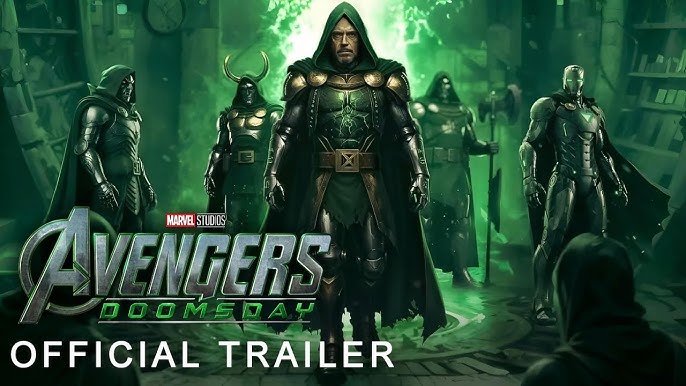
Introduction
In the fast-paced world of entertainment, few things capture attention as swiftly as a well-crafted preview. Movie trailers serve as the gateway to cinematic experiences, condensing hours of storytelling into mere minutes of intrigue. They are designed to spark curiosity, evoke emotions, and ultimately drive ticket sales. But what makes these short clips so compelling? The artistry behind movie trailers, examining their historical roots, essential components, psychological strategies, standout examples, and modern transformations. By understanding how they operate, we can appreciate their role not just as advertisements but as mini-masterpieces that hook audiences in seconds.
The History of Movie Trailers
The origins of movie trailers trace back to the early 20th century, marking a pivotal shift in film promotion. The first known trailer appeared in 1913, created by Nils Granlund for a Broadway musical called “The Pleasure Seekers.” Shown after the main feature at a Marcus Loew theater, it literally “trailed” the film—hence the name. This innovative approach used rehearsal footage to tease upcoming attractions, setting the stage for what would become a marketing staple. By 1919, the National Screen Service (NSS) was founded, monopolizing trailer production for decades with formulaic yet effective clips that highlighted key scenes and dramatic narration.
As cinema evolved, so did trailers. The introduction of sound in the late 1920s, exemplified by “The Jazz Singer,” brought synchronized music and dialogue, enhancing their appeal. By the 1930s, trailers shifted to precede films, building anticipation rather than following them. The 1970s marked another turning point with blockbusters like “Jaws,” where trailers inundated television during prime time, creating widespread hype. This era solidified trailers as essential tools for box-office success, evolving from simple promos to sophisticated narratives that mirrored the films’ tones.
Key Elements of Effective Movie Trailers
Creating an impactful trailer involves a delicate balance of structure, visuals, and sound. A strong trailer typically follows a proven formula: starting with a hook to grab attention, introducing characters and plot, building tension, and ending with a cliffhanger. The hook—often a dramatic scene or intriguing dialogue—must engage viewers within the first 10 seconds, as attention spans are short in today’s digital landscape.
Visual montage is crucial, weaving together striking imagery without spoiling the story. This includes rapid cuts, special effects, and character close-ups that convey emotion and stakes. Music selection amplifies this, setting the emotional tone—whether through swelling orchestral scores for epics or pulsating beats for thrillers. Voice-overs or on-screen text provide context, often using phrases like “In a world…” in classic styles, though modern trailers favor subtlety. Ultimately, effective movie trailers highlight unique selling points, such as star power or innovative visuals, while teasing just enough to create desire.
Psychological Techniques Used in Movie Trailers
Movie trailers are masterclasses in psychology, leveraging human behavior to build anticipation. One key technique is the “tease without reveal,” sparking curiosity by showing fragments of the story while withholding resolutions. This exploits the Zeigarnik effect, where unfinished tasks linger in memory, making viewers crave closure. Emotional catalysts are another tool, evoking excitement, fear, or nostalgia through intense visuals and sound design.
Synchronization of elements—like aligning music crescendos with climactic moments—creates emotional peaks, drawing on principles of arousal and engagement. Trailers also use social proof, incorporating reviews or “from the director of…” tags to build credibility and trigger FOMO (fear of missing out). Eye-tracking studies show that consistent visual guidance keeps audiences focused, while EEG metrics reveal how trailers predict box-office success by measuring attention and memory encoding. These techniques transform passive viewing into an active emotional investment.
Iconic Examples of Movie Trailers
Some movie trailers have transcended promotion to become cultural icons. The 1979 “Alien” teaser, with its eerie silence broken by screams and the tagline “In space, no one can hear you scream,” masterfully built dread without revealing the creature. Alfred Hitchcock’s “Psycho” (1960) trailer featured the director himself touring the Bates Motel, cleverly avoiding spoilers while heightening suspense.
More recently, the “Inception” (2010) trailer used mind-bending visuals and Hans Zimmer’s booming score to intrigue audiences about dream worlds. “The Dark Knight” (2008) teasers showcased Heath Ledger’s Joker with chaotic energy, generating massive buzz. These examples illustrate how trailers can encapsulate a film’s essence, often outshining the movies themselves in memorability.
The Evolution in the Digital Age
The digital era has revolutionized movie trailers, expanding their reach and format. Once confined to theaters and TV, trailers now thrive online, with platforms like YouTube enabling instant sharing and viral potential. Teasers and “pre-trailers“—short 5-10 second clips—cater to shrinking attention spans, acting as hooks for full versions.
Sound design has advanced, incorporating modern hits and interactive elements for broader appeal. Narratives have become more structured, with visuals taking precedence over verbal cues in recent decades. The 2015 “Star Wars: The Force Awakens” trailer broke viewing records, amassing millions of hours, highlighting digital amplification. Today, trailers are standalone content, often analyzed frame by frame, blending art and marketing in unprecedented ways.
Conclusion
Movie trailers wield immense power, transforming fleeting moments into lasting impressions that propel films to success. From their humble beginnings to digital dominance, they have mastered the art of hooking audiences through clever elements and psychological depth. As cinema continues to evolve, so will these previews, ensuring they remain vital in captivating hearts and minds. Whether teasing blockbusters or indies, their ability to distill essence into minutes underscores their enduring influence.
FAQ
What is the purpose of movie trailers?
Movie trailers aim to build anticipation, introduce key elements of the film, and encourage audiences to watch the full movie by highlighting exciting aspects without revealing too much.
When were movie trailers first invented?
The first movie trailer was created in 1913 by Nils Granlund for a Broadway musical, initially shown after the main feature film.
How long should a movie trailer be?
Most movie trailers run between 90 to 150 seconds, though teasers can be as short as 30-60 seconds to quickly hook viewers.
Why do movie trailers sometimes spoil the plot?
While good trailers avoid major spoilers, some include key moments to generate buzz, though this can backfire by reducing surprise in the actual film.
What role does music play in movie trailers?
Music sets the emotional tone, builds tension, and enhances visuals, often using popular tracks or custom scores to make the trailer more memorable.
How have digital platforms changed movie trailers?
Digital platforms allow for instant sharing, viral marketing, and shorter formats like pre-trailers, expanding reach beyond theaters and TV.
Can movie trailers predict a film’s success?
Studies show that audience reactions to trailers, measured via EEG or eye-tracking, can correlate with box-office performance by indicating engagement levels.
Who creates movie trailers?
Trailers are typically produced by specialized marketing teams or agencies working with film studios, often separate from the film’s director.
Are there rules for what can be shown in movie trailers?
Trailers must adhere to rating guidelines (e.g., MPAA) and avoid misleading content, though they can include footage not in the final film.
Why are some movie trailers better than the movies?
Trailers focus on the most exciting elements, condensing highlights into a high-energy format that may outpace the full film’s pacing or depth.