
Introduction
In the pantheon of 1980s action cinema, few figures embody the era’s high-octane, low-budget thrills quite like Michael Dudikoff. Born on October 8, 1954, in Redondo Beach, California, Dudikoff rose from humble beginnings to become a staple of martial arts-infused blockbusters, captivating audiences with his stoic charisma and physical prowess. His journey from a part-time model and odd-job worker to the star of Cannon Films’ iconic “American Ninja” series mirrors the rags-to-riches narratives often depicted in the very movies that made him famous. During a decade dominated by larger-than-life heroes like Sylvester Stallone and Arnold Schwarzenegger, Dudikoff carved out a niche as the everyman action star—relatable, resilient, and relentlessly entertaining. This article explores his ascent, highlighting the key milestones that solidified his status as an 80s icon, while delving into his personal life, career evolution, and enduring legacy.
Dudikoff’s appeal lay in his ability to blend martial arts expertise with dramatic intensity, often portraying characters who overcame overwhelming odds through sheer determination. Films like “American Ninja” (1985) not only launched his career but also epitomized the era’s fascination with ninja lore and Cold War-era heroism. As we trace his path, it’s clear that Dudikoff’s rise was fueled by a combination of serendipity, hard work, and the explosive popularity of direct-to-video action flicks. Today, at age 71, he remains a cult favorite, with sporadic returns to the screen that remind fans of his indelible mark on genre cinema.
Early Life and Education
Michael Joseph Stephen Dudikoff Jr. entered the world in the coastal suburb of Redondo Beach, California, a place known for its laid-back surf culture rather than Hollywood glamour. Growing up in a working-class family, Dudikoff faced the typical challenges of adolescence, including dyslexia, which made academic pursuits difficult. Despite this, he developed a strong work ethic early on, taking on various jobs to support himself and fund his education. These included stints as a waiter, a lifeguard, and even a carpenter—experiences that built his physical stamina and resilience, qualities that would later define his on-screen persona.
Dudikoff attended West Torrance High School before enrolling at Los Angeles Harbor College, where he studied child psychology with aspirations of becoming a therapist or educator. However, his striking good looks—tanned skin, chiseled features, and athletic build—caught the eye of talent scouts. During his college years, he began modeling, appearing in commercials for brands like Coppertone suntan lotion. This foray into the spotlight was accidental but pivotal; it introduced him to the entertainment industry and honed his comfort in front of the camera. Little did he know that these modest beginnings would lead to a career in action films, where his real-life grit translated seamlessly to heroic roles.
His interest in martial arts also blossomed during this period. Dudikoff trained in disciplines such as karate, aikido, judo, and later Brazilian jiu-jitsu, not initially for acting but for personal fitness and self-defense. These skills would prove invaluable, setting him apart from other actors vying for action parts in an era when authenticity in fight scenes was prized.
Entry into the Entertainment Industry
Dudikoff’s transition from modeling to acting was gradual but determined. In the late 1970s, he began auditioning for small roles, landing bit parts in television shows and films that showcased his versatility. His debut came in 1978 with an uncredited appearance in the TV series “Dallas,” followed by guest spots on shows like “Happy Days” and “Gimme a Break!” These early gigs were often comedic, highlighting his boyish charm rather than his action potential.
By the early 1980s, Dudikoff secured more substantial roles. He appeared in the cult classic “Bachelor Party” (1984) alongside Tom Hanks, playing a supporting character in the raucous comedy. That same year, he had a minor part in the sci-fi epic “TRON” (1982, though released earlier), rubbing shoulders with Jeff Bridges. These experiences built his resume and confidence, but it was his persistence in auditions that led to his big break.
In 1985, Cannon Films, known for producing low-budget action movies, was casting for “American Ninja.” The role of Pvt. Joe Armstrong required someone who could handle intense physical demands without prior martial arts stardom. Dudikoff, who had no formal acting training but possessed genuine fighting skills, impressed director Sam Firstenberg. He beat out hundreds of contenders, including more established names, to land the lead. This opportunity marked the end of his struggling phase and the beginning of his ascent as an action hero.
Breakthrough Role: American Ninja
“American Ninja” (1985) was a game-changer for Dudikoff and the genre alike. With a modest budget of $1 million, the film grossed over $10 million domestically and exploded internationally, tapping into the ninja craze popularized by films like “Enter the Ninja.” Dudikoff’s portrayal of Joe Armstrong—an amnesiac soldier with mysterious ninja abilities fighting corruption in the Philippines—was pitch-perfect. His stoic demeanor, combined with acrobatic fight sequences, made him an instant fan favorite.
The movie’s success stemmed from its blend of martial arts spectacle and straightforward storytelling. Dudikoff performed many of his own stunts, adding authenticity that resonated with audiences weary of over-the-top effects. Co-starring Steve James as the wisecracking sidekick Jackson, the duo’s chemistry became a hallmark of the series. “American Ninja” not only launched Dudikoff’s career but also established Cannon Films as a powerhouse in B-movie action.
Following the hit, Dudikoff reprised his role in “American Ninja 2: The Confrontation” (1987), which pitted Armstrong against bio-engineered super-soldiers on a Caribbean island. The sequel amplified the action, with more elaborate fights and exotic locales, further cementing Dudikoff’s status.
Peak of Stardom in the 1980s
The late 1980s saw Dudikoff at the height of his powers, starring in a string of action vehicles that capitalized on his ninja fame. “Avenging Force” (1986), directed by Sam Firstenberg, cast him as a former Secret Service agent hunted by a white supremacist group. The film showcased Dudikoff’s dramatic range, blending thriller elements with brutal combat.
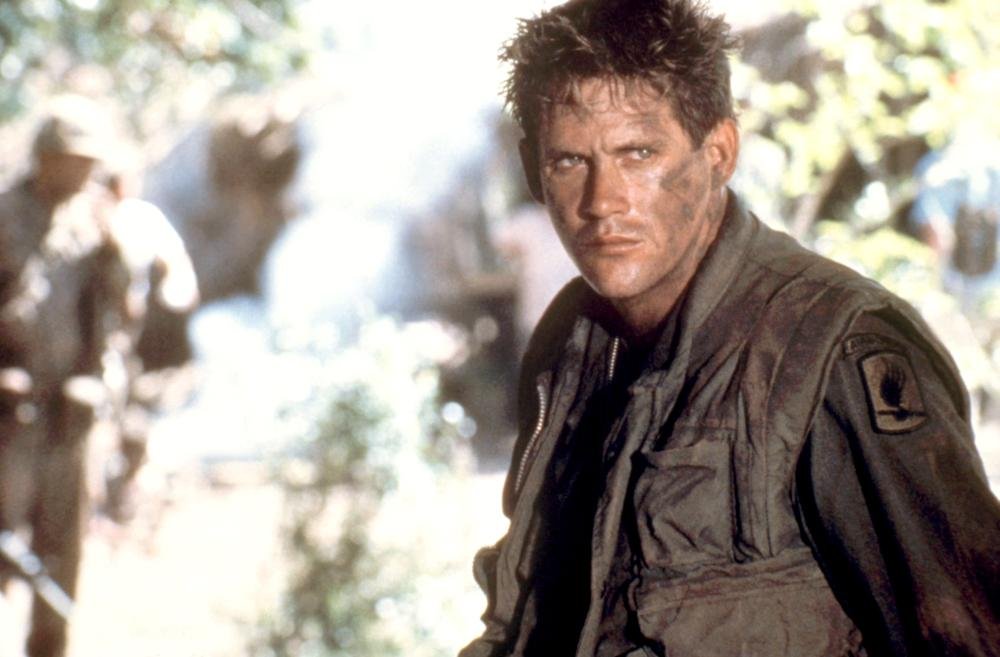
In 1988, he led “Platoon Leader,” a Vietnam War drama based on a true story, where he played a young lieutenant navigating the horrors of combat. This role allowed Dudikoff to explore more serious themes, earning praise for his portrayal of vulnerability amid chaos. “River of Death” (1989), adapted from an Alistair MacLean novel, saw him as an adventurer in the Amazon, fighting Nazis—a nod to classic pulp adventures.
These films, often produced on shoestring budgets, thrived on video rentals and cable TV, making Dudikoff a household name in action circles. His partnership with Steve James continued in several projects, creating a dynamic that fans adored until James’s untimely death in 1993.
Transition to the 1990s and Beyond
As the 1990s dawned, Dudikoff returned for “American Ninja 4: The Annihilation” (1990), teaming up with David Bradley. However, the shifting landscape of action cinema—towards bigger budgets and CGI—pushed him towards direct-to-video fare. Films like “Soldier Boyz” (1995), “Bounty Hunters” (1996), and “Strategic Command” (1997) kept him active, often in Die Hard-inspired scenarios.
By the early 2000s, Dudikoff stepped back from acting to focus on family and real estate ventures. He made comebacks in films like “Navy Seals vs. Zombies” (2015) and “Fury of the Fist and the Golden Fleece” (2018), proving his enduring appeal. Recent appearances, such as in “Landfill” (2021), show he’s not done yet.
Personal Life
Away from the spotlight, Dudikoff leads a private life in Rolling Hills Estates, California. Married to Belle Dudikoff since 2004, they have three children. He values family above fame, often citing his dyslexia as a motivator to inspire others. Dudikoff continues training in martial arts and has expressed interest in directing.
Legacy and Influence
Michael Dudikoff’s legacy endures in the hearts of 80s action enthusiasts. His films influenced modern B-movies and martial arts cinema, paving the way for stars like Scott Adkins. Through fan conventions and online tributes, Dudikoff remains an icon of an era when action was raw, heroes were relatable, and ninjas ruled the screen.
FAQ
Who is Michael Dudikoff?
Michael Dudikoff is an American actor and martial artist best known for his roles in 1980s action films, particularly the “American Ninja” series.
What was Michael Dudikoff’s breakthrough role?
His breakthrough came in 1985 with “American Ninja,” where he played Pvt. Joe Armstrong, launching him to stardom.
Is Michael Dudikoff trained in martial arts?
Yes, he has trained in karate, aikido, judo, and Brazilian jiu-jitsu.
What are some of Michael Dudikoff’s notable films outside the American Ninja series?
Notable films include “Avenging Force” (1986), “Platoon Leader” (1988), “River of Death” (1989), and later works like “Bounty Hunters” (1996).
Is Michael Dudikoff still acting?
Yes, though less frequently; his recent credits include “Fury of the Fist and the Golden Fleece” (2018) and “Landfill” (2021).
What is Michael Dudikoff’s personal life like?
He is married to Belle Dudikoff since 2004, has three children, and lives in California, focusing on family and occasional projects.