
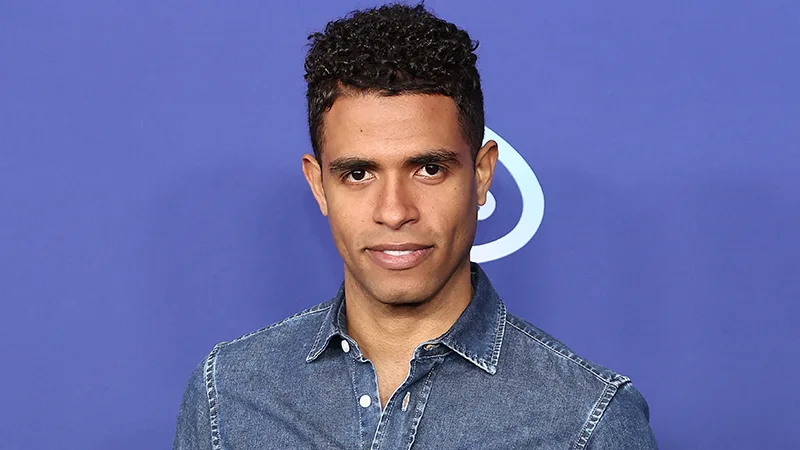
Introduction
In the rich tapestry of American cinema, few families have left as indelible a mark as the Van Peebles dynasty. Beginning with Melvin Van Peebles, the trailblazing filmmaker behind Sweet Sweetback’s Baadasssss Song (1971), which ignited the blaxploitation era and revolutionized independent Black filmmaking, the legacy continued through his son Mario Van Peebles, a multifaceted talent known for directing, acting, and producing hits like New Jack City (1991) and Posse (1993). Now, the third generation steps forward with Mandela Van Peebles, carrying forward this storied heritage while forging his own path in Hollywood.
Born into a world where creativity and activism were family traditions, Mandela has navigated the unique challenges of being part of a legendary lineage. From child roles in family projects to breakout performances in horror franchises and television series, his journey reflects resilience, talent, and a deep respect for his roots. This article explores Mandela Van Peebles‘ life, career milestones, family influences, and ongoing evolution as an actor, producer, and playwright. As he continues to build momentum in the industry, Mandela exemplifies how legacy can inspire rather than overshadow personal achievement.
Early Life and Family Background
Mandela Mali Van Peebles was born on June 4, 1994, in Los Angeles, California. As the son of acclaimed actor, director, and producer Mario Van Peebles and Lisa Vitello, Mandela grew up immersed in the entertainment world. His grandfather, Melvin Van Peebles (1932–2021), was a pioneering figure whose independent spirit and bold storytelling shaped generations of filmmakers. Melvin’s groundbreaking work challenged Hollywood norms, emphasizing Black empowerment and narrative control.
Mandela is one of several siblings, including Maya Van Peebles, Makaylo Van Peebles, Morgana Van Peebles, and Marley Van Peebles. The family environment fostered creativity; Mandela and his siblings were exposed to film sets, script readings, and artistic discussions from an early age. Mario often described Mandela as naturally inclined toward performance, with a playful energy that translated well to acting.
Raised in Los Angeles, Mandela benefited from a supportive yet demanding household. Mario served as both father and mentor, teaching the value of hard work, authenticity, and using art for social commentary. Mandela has spoken warmly of his father’s guidance, calling him a constant source of inspiration. This nurturing backdrop provided a strong foundation, blending artistic freedom with discipline.
Entry into Acting: Child Roles and Family Collaborations
Mandela’s acting career began remarkably early. He made his on-screen debut at age five in Baadasssss! (2003), a biographical drama directed by his father, Mario, chronicling Melvin’s struggle to make Sweet Sweetback’s Baadasssss Song. Playing a young version of his grandfather in family scenes, Mandela gained firsthand insight into the Van Peebles legacy.
This early exposure set the stage for more family-oriented projects. In 2012, he appeared in We the Party, another Mario-directed film about high school life and music. Mandela played a supporting role, showcasing his growing comfort in front of the camera. These collaborations were more than nepotism; they offered practical training in acting, production, and the business side of entertainment.
During his teenage years, Mandela balanced school with occasional roles, developing his craft away from the spotlight. He participated in theater and music, even forming a music group with his brother called MVP. These experiences honed his versatility, preparing him for diverse genres.
Breakthrough Roles and Rising Recognition
Mandela’s career gained significant traction in the mid-2010s. His breakout came with Jigsaw (2017), the eighth installment in the Saw horror franchise. Portraying Mitch, a key character in the ensemble cast, Mandela brought depth to a role involving moral dilemmas and intense suspense. The film’s global success introduced him to horror fans worldwide, marking his entry into mainstream cinema.
Following Jigsaw, Mandela appeared in USS Indianapolis: Men of Courage (2016), a war drama, and began securing television guest spots. His range shone in projects like Karma and independent films, demonstrating his ability to handle drama, action, and character-driven stories.
A notable milestone was his recurring role in Wu-Tang: An American Saga (2019–2023), the Hulu series chronicling the rise of the Wu-Tang Clan. Mandela portrayed 9th Prince (Terrance Hamlin) and Shank, capturing the era’s hip-hop energy and cultural significance. This role highlighted his musical background and ability to embody real-life figures.
Television Success and Genre Diversity
Television became a key platform for Mandela’s growth. In 2022, he landed a starring role in Reginald the Vampire, a Syfy series based on the novel Reginald by Dakota Cassidy. Playing Maurice Miller, a complex vampire character, Mandela explored themes of identity, prejudice, and supernatural intrigue. The show’s blend of humor, horror, and social commentary allowed him to showcase comedic timing and dramatic intensity.
He also appeared in Mayor of Kingstown (produced by Taylor Sheridan and Antoine Fuqua), alongside Jeremy Renner, gaining experience on high-profile sets. Guest spots in Power Book III: Raising Kanan and Limbo further diversified his resume, proving his adaptability across crime drama, action, and fantasy.
Mandela’s television work reflects a strategic approach: choosing roles that challenge him while building visibility. He has spoken about enjoying the episodic format for character development over multiple seasons.
Recent Projects and Collaborations with Family
In recent years, Mandela reunited with his father on Outlaw Posse (2024), a Western written, directed, and starring Mario. Mandela played Decker, sharing father-son scenes that mirrored their real-life dynamic. The film, released in theaters in March 2024, paid homage to Mario’s earlier Posse (1993) while delivering fresh storytelling about justice and redemption in the Old West.
Promotional interviews highlighted their close bond, with Mandela joking about “practicing” playing his father’s son for decades. The project symbolized generational continuity, blending legacy with new creative energy. Critics noted the chemistry, praising how it elevated the Western genre.
Mandela continues exploring independent cinema and producing. As a playwright, he develops original works, drawing from family influences while addressing contemporary issues.
Challenges of Carrying a Family Legacy
Being part of the Van Peebles family brings advantages and pressures. Mandela has addressed comparisons to his father and grandfather, emphasizing his desire to honor their work while creating his identity. He credits Mario’s mentorship for helping navigate industry challenges, from typecasting to building networks.
The legacy also inspires activism. Like Melvin and Mario, Mandela uses his platform for meaningful stories, supporting diverse representation behind and in front of the camera.
Personal Life and Future Aspirations
Mandela maintains a relatively private personal life, focusing on career and family. He remains close to his siblings and credits them for support. Interests include music, writing, and fitness, keeping him grounded amid Hollywood demands.
Looking ahead, Mandela aims to expand into directing and producing. With experience across genres, he seeks roles pushing boundaries, perhaps in projects echoing his family’s social themes. Upcoming projects may include more horror, drama, or Westerns, building on recent successes.
Conclusion
Mandela Van Peebles’ journey from legacy child to established talent illustrates perseverance and passion. Rooted in a family that redefined cinema, he has carved his niche through thoughtful choices and strong performances. From Jigsaw to Reginald the Vampire and Outlaw Posse, Mandela proves legacy can fuel innovation rather than constrain it.
As the Van Peebles saga continues, Mandela represents hope for the next chapter. His story reminds us that true artistry transcends inheritance—it’s built through dedication, vision, and authenticity. In an industry often favoring the new, Mandela Van Peebles stands as proof that honoring the past while embracing the future creates enduring impact.
FAQ
Who is Mandela Van Peebles? Mandela Van Peebles is an American actor, producer, and playwright, born June 4, 1994. He is best known for roles in Jigsaw, Reginald the Vampire, and Outlaw Posse.
Who are Mandela Van Peebles’ parents and grandfather? His father is actor/director Mario Van Peebles, his mother is Lisa Vitello, and his grandfather was legendary filmmaker Melvin Van Peebles.
How many siblings does Mandela Van Peebles have? He has four siblings: Maya, Makaylo, Morgana, and Marley Van Peebles.
What was Mandela Van Peebles’ first acting role? His debut was at age five in Baadasssss! (2003), directed by his father, playing a young version of his grandfather Melvin.
What is Mandela Van Peebles’ most famous role? He gained wide recognition as Mitch in Jigsaw (2017), part of the Saw franchise, introducing him to global horror audiences.
Has Mandela worked with his father Mario recently? Yes, they co-starred in Outlaw Posse (2024), a Western directed by Mario, where they played father and son characters.
What TV series has Mandela Van Peebles starred in? He starred as Maurice Miller in Reginald the Vampire (Syfy, 2022–), and appeared in Wu-Tang: An American Saga, Mayor of Kingstown, and others.
Is Mandela Van Peebles involved in music? Yes, he has a background in music and formed a group called MVP with his brother during his youth.
What other talents does Mandela Van Peebles have? In addition to acting, he is a producer and playwright, developing original stage and screen works.
How does Mandela handle comparisons to his famous family? He embraces the legacy while focusing on his unique voice, crediting his father’s mentorship for guidance in the industry.
What genres does Mandela Van Peebles work in? He has appeared in horror (Jigsaw), Western (Outlaw Posse), drama (Mayor of Kingstown), historical (Wu-Tang: An American Saga), and supernatural comedy (Reginald the Vampire).
What are Mandela Van Peebles’ future plans? He aims to expand into directing and producing, seeking diverse, impactful roles that continue pushing creative boundaries.