
Introduction
Johnny Depp has long been a chameleon in Hollywood, transforming himself into characters that range from swashbuckling adventurers to brooding artists. His career spans decades, marked by bold choices that often defy commercial expectations. From iconic blockbusters to intimate indie films, the actor’s versatility has earned him a place among the industry’s most enigmatic figures. This article explores the multifaceted journey of this performer, highlighting his evolution from rebellious youth to seasoned artist. With a focus on his diverse roles and creative pursuits, we delve into how he has navigated fame, controversy, and reinvention.
Early Life and Musical Beginnings
Born in Owensboro, Kentucky, in 1963, the future star experienced a nomadic childhood. His family relocated frequently due to his father’s job as a civil engineer, settling eventually in Florida. By age 15, he had dropped out of high school, driven by a passion for music ignited by a guitar gifted by his mother. He formed bands, including one called The Kids, which opened for acts like Iggy Pop and Talking Heads. Relocating to Los Angeles in the early 1980s, the group rebranded as Rock City Angels but struggled to break through. Music remained a core part of his identity, even as acting opportunities emerged. These early years shaped his outsider perspective, influencing the eccentric characters he would later portray.
During this period, he married makeup artist Lori Anne Allison in 1983. Through her connections, he met Nicolas Cage, who encouraged him to audition for films. This pivot from music to acting was reluctant at first, but it set the stage for a remarkable career. He supported himself with odd jobs, including selling pens over the phone, while honing his craft. The rock ‘n’ roll ethos never left him, evident in his later musical collaborations and stage presence in roles that demanded charisma and unpredictability.
Entry into Acting and Horror Debut
His film debut came in 1984 with a role in Wes Craven’s “A Nightmare on Elm Street,” where he played a teenager devoured by his own bed. The part was small but memorable, introducing audiences to his boyish charm and vulnerability. Following this, he appeared in Oliver Stone’s “Platoon” in 1986, a brief but intense role that exposed him to the rigors of method acting. These early experiences in horror and war genres tested his range, preparing him for more substantial opportunities.
Television provided his first major break. In 1987, he joined the cast of “21 Jump Street,” portraying undercover cop Tom Hanson. The show catapulted him to teen idol status, gracing magazine covers and attracting a fervent fanbase. However, he chafed against the heartthrob image, seeking roles that allowed deeper exploration. He used his earnings to fund independent projects, signaling his disdain for formulaic stardom. This period marked the beginning of his pattern of subverting expectations, choosing collaborators who shared his artistic vision.
Breakthrough Roles and Indie Sensibilities
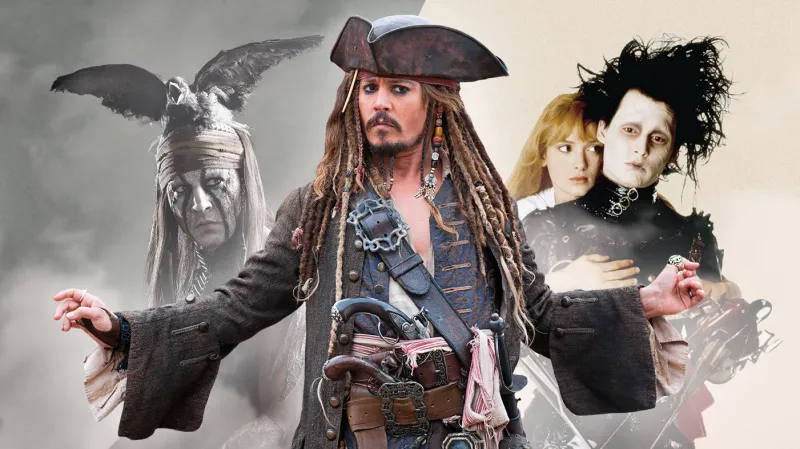
The 1990s saw him shed the teen idol label through collaborations that emphasized quirkiness and depth. In 1990, he starred in John Waters’ “Cry-Baby,” a satirical musical that poked fun at his own image. That same year, his partnership with director Tim Burton began with “Edward Scissorhands,” where he played a gentle outcast with blades for hands. The role showcased his ability to convey pathos through minimal dialogue, earning critical acclaim and establishing him as a leading man unafraid of the unconventional.
Subsequent films like “What’s Eating Gilbert Grape” (1993) opposite Leonardo DiCaprio and “Arizona Dream” (1993) with Faye Dunaway further demonstrated his commitment to character-driven stories. In “Ed Wood” (1994), another Burton collaboration, he portrayed the infamous director with infectious enthusiasm, blending humor and tragedy. These choices reflected his preference for roles that explored human frailty, often drawing from his own experiences of feeling like an outsider. By mid-decade, he had transitioned from commercial fare to arthouse cinema, solidifying his reputation as an actor’s actor.
The Tim Burton Era: Gothic Fantasies and Whimsical Worlds
No discussion of his career is complete without examining his longstanding collaboration with Tim Burton, which produced some of his most memorable performances. Following “Edward Scissorhands,” they reunited for “Sleepy Hollow” (1999), where he embodied the timid Ichabod Crane in a gothic retelling of the classic tale. His portrayal added layers of neurotic charm to the horror elements, making the film a visual and narrative delight.
In 2005, he stepped into the shoes of Willy Wonka in “Charlie and the Chocolate Factory,” infusing the character with a mix of eccentricity and childlike wonder. That year also saw him voice the groom in Burton’s animated “Corpse Bride,” blending stop-motion with his vocal talents. “Sweeney Todd: The Demon Barber of Fleet Street” (2007) allowed him to showcase his singing abilities in a bloody musical revenge story. Their partnership continued with “Alice in Wonderland” (2010), where he played the Mad Hatter, a role that combined madness with melancholy. These films highlight how Burton’s fantastical worlds amplified his transformative skills, creating a symbiotic creative relationship.
The Pirates Phenomenon: Global Stardom and Iconic Swagger
In 2003, Johnny Depp took on what would become his most commercially successful role: Captain Jack Sparrow in “Pirates of the Caribbean: The Curse of the Black Pearl.” Drawing inspiration from Keith Richards and cartoon characters, he crafted a flamboyant pirate that stole every scene. The film’s unexpected success spawned a franchise, with sequels like “Dead Man’s Chest” (2006), “At World’s End” (2007), “On Stranger Tides” (2011), and “Dead Men Tell No Tales” (2017) grossing billions worldwide. Sparrow’s quirky mannerisms earned him an Academy Award nomination, blending action, humor, and heart.
This era elevated him to A-list status, but he balanced blockbuster fame with smaller projects. Films like “Finding Neverland” (2004), where he played J.M. Barrie, showcased his tender side, earning another Oscar nod. The pirate role, however, defined a generation’s view of him as a roguish hero, influencing pop culture from costumes to memes. Despite the franchise’s dominance, he avoided typecasting by diversifying his portfolio.
Diverse Roles: From Gangsters to Visionaries
Beyond franchises, his filmography boasts an array of genres. In “Donnie Brasco” (1997), he portrayed an undercover FBI agent, delivering a nuanced performance alongside Al Pacino. “Blow” (2001) saw him as drug smuggler George Jung, capturing the rise and fall with raw intensity. “Public Enemies” (2009) featured him as John Dillinger, blending charisma with menace in Michael Mann’s crime epic.
He explored animation in “Rango” (2011), voicing the titular chameleon in a Western parody that won an Oscar. “Black Mass” (2015) transformed him into Boston mobster Whitey Bulger, a chilling depiction that garnered awards buzz. Roles in “Fantastic Beasts and Where to Find Them” (2016) as Grindelwald added fantasy elements, though legal issues later impacted his involvement. These performances underscore his knack for inhabiting complex, often flawed individuals.
Musical Pursuits and Rock Star Revival
Music never faded from his life. In the 1990s, he formed the band P with Butthole Surfers’ Gibby Haynes. Later, he co-founded Hollywood Vampires in 2012 with Alice Cooper and Joe Perry, releasing albums and touring. The supergroup paid homage to 1970s rock legends, allowing him to indulge his guitar skills on stage. Collaborations with artists like Oasis and Marilyn Manson further blurred the lines between his acting and musical worlds.
His soundtracks contributions, such as composing for films, reflect this dual passion. In roles requiring musical elements, like “Sweeney Todd” or “Cry-Baby,” he seamlessly integrated song and performance. This facet reveals a poetic side, where rhythm and melody inform his artistic expression.
Personal Life: Triumphs, Trials, and Resilience
Johnny Depp’s personal journey has been as tumultuous as his on-screen personas. Relationships with Winona Ryder, Kate Moss, and Vanessa Paradis (with whom he shares two children) fueled tabloid headlines. His 2015 marriage to Amber Heard ended in a high-profile divorce and 2022 defamation trial, which he won, clearing his name amid allegations. These events temporarily derailed his career, leading to lost roles and public scrutiny.
Despite challenges, he demonstrated generosity, such as donating to hospitals and supporting friends. In early 2026, reports emerged of him providing rent-free housing to actor Eric Dane during his battle with ALS, showcasing his compassionate side. Fatherhood remains a priority, with his children pursuing creative paths. Through adversity, he has maintained a focus on art as therapy.
Artistic Endeavors: Painting and Beyond
Venturing into the visual arts, he has painted since his youth, drawing from influences like Van Gogh and Basquiat. His works, often abstract and personal, have sold for millions. In 2026, he announced his first solo exhibition, accompanied by a new collection titled “Accidents & Underdogs,” launching on February 6. This marks a significant step in his multidisciplinary career, blending poetry and imagery.
He has also directed, debuting with “The Brave” (1997) and later “Modì: Three Days on the Wing of Madness” (2024). These projects reveal a poetic sensibility, exploring themes of creation and madness.
Recent Projects and Hollywood Comeback
As of 2026, Johnny Depp is staging a resurgence. He stars in “Ebenezer: A Christmas Carol,” directed by Ti West, portraying Scrooge in a transformative role that has him looking unrecognizable with prosthetics. Co-star Rupert Grint praised his performance as “mesmerizing and haunting.” This marks his first major studio film since 2019, signaling a return to big-budget cinema.
Rumors of reprising Jack Sparrow in “Pirates of the Caribbean 6” persist, but producer Jerry Bruckheimer confirmed Margot Robbie will lead instead. Other projects include smaller films and potential music releases. His art exhibition adds to this creative renaissance, proving his enduring appeal.
Legacy: An Enduring Enigma
Johnny Depp’s impact on cinema is profound, with films grossing over $8 billion worldwide. Three Academy Award nominations and a Golden Globe win underscore his talent. He has inspired actors to embrace eccentricity, challenging Hollywood norms. From pirate to poet, his many faces reflect a life dedicated to artistry, resilience, and reinvention. As he continues to evolve, his story remains one of captivating transformation.
FAQ
What is Johnny Depp’s most famous role?
His portrayal of Captain Jack Sparrow in the “Pirates of the Caribbean” series is arguably his most iconic, earning him global recognition and an Oscar nomination.
How many times has he been nominated for an Academy Award?
He has received three nominations: for “Pirates of the Caribbean: The Curse of the Black Pearl” (2004), “Finding Neverland” (2005), and “Sweeney Todd: The Demon Barber of Fleet Street” (2008).
What is his musical background?
He started as a guitarist in bands like The Kids and later formed Hollywood Vampires with Alice Cooper and Joe Perry, releasing albums and performing live.
What recent projects is he involved in as of 2026?
He is filming “Ebenezer: A Christmas Carol” as Scrooge and launching his first solo art exhibition with the collection “Accidents & Underdogs.”
Has he won his legal battles?
In 2022, he won a defamation lawsuit against ex-wife Amber Heard, which helped restore his public image and career opportunities.
What is his net worth?
Estimates place it around $150 million, derived from films, endorsements, and art sales.
Does he have children?
Yes, he has two: daughter Lily-Rose Depp, an actress and model, and son Jack Depp, both with former partner Vanessa Paradis.
Why was he replaced in the “Fantastic Beasts” series?
Due to legal issues stemming from his divorce, Warner Bros. asked him to resign from the role of Grindelwald in 2020.
What awards has he won?
He has a Golden Globe for “Sweeney Todd,” multiple People’s Choice Awards, and a Screen Actors Guild Award, among others.
Is he returning as Jack Sparrow?
As of 2026, producer Jerry Bruckheimer has confirmed he will not return for “Pirates of the Caribbean 6,” with Margot Robbie taking the lead.