
Introduction
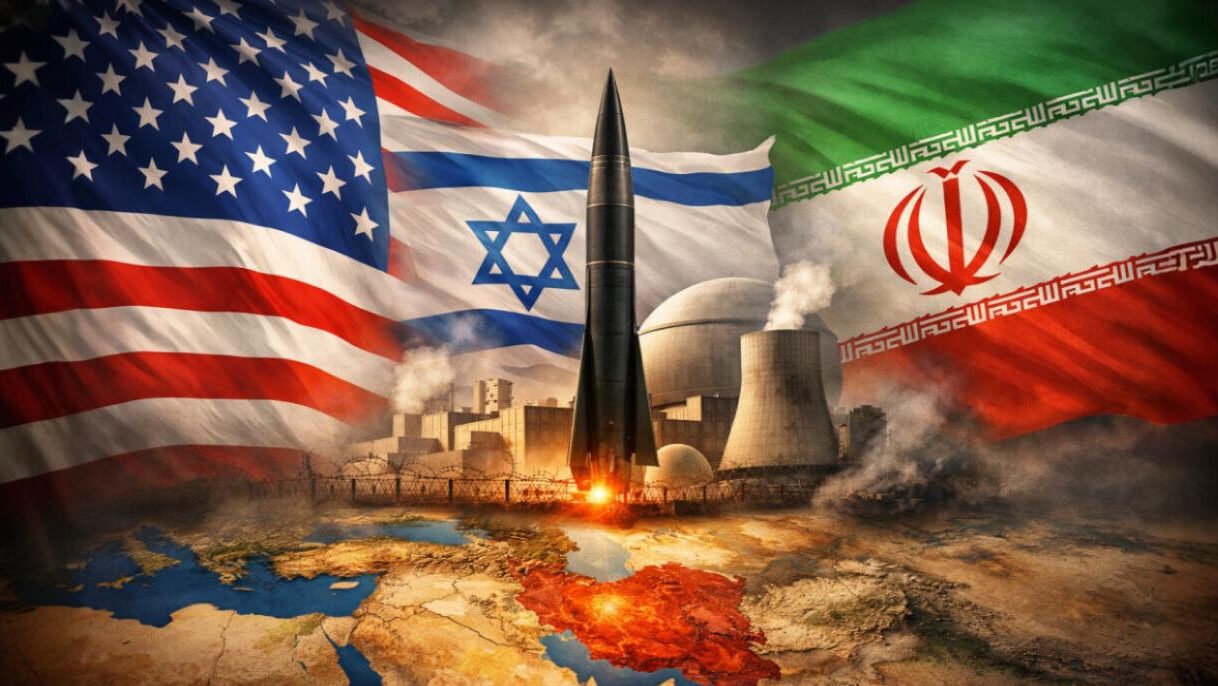
The Israel Iran War, which erupted in late February 2026, marks a pivotal escalation in the long-standing shadow conflict between Israel and Iran. What began as targeted strikes has rapidly evolved into a full-scale confrontation involving the United States, regional proxies, and widespread missile exchanges. This conflict, often referred to as the Israel Iran War in global media, has drawn in multiple nations and threatens to destabilize the entire Middle East. As of March 2, 2026, the war is in its early days, but the fallout is already profound, with civilian casualties mounting and economic ripples felt worldwide. The assassination of Iran’s Supreme Leader Ayatollah Ali Khamenei has created a leadership vacuum, prompting retaliatory strikes that have targeted not only Israel but also U.S. bases across the Gulf. This article delves into the origins, key events, and broader implications of the Israel Iran War, highlighting how decades of tension have culminated in open warfare.
The roots of this conflict trace back to ideological clashes, nuclear ambitions, and proxy battles. Iran’s support for groups like Hezbollah and Hamas has long been a thorn in Israel’s side, while Israel’s covert operations against Iranian nuclear sites have fueled Tehran’s paranoia. The entry of the U.S. under President Donald Trump has transformed the Israel Iran War from a bilateral feud into a multinational crisis. With strikes extending from Tehran to Beirut and even Gulf cities like Dubai and Abu Dhabi, the regional fallout includes disrupted oil supplies, mass displacements, and heightened sectarian tensions. As the world watches, the question looms: Can this escalation be contained, or will it ignite a broader war?
Historical Background: From Shadow War to Open Conflict
The Israel Iran War did not emerge in a vacuum; it is the culmination of over four decades of animosity. Since the 1979 Islamic Revolution, Iran has viewed Israel as an illegitimate entity, often referring to it as the “Zionist regime.” Israel, in turn, sees Iran’s nuclear program and support for militant groups as existential threats. Proxy conflicts in Syria, Lebanon, and Yemen have been the battlegrounds, with Iran backing anti-Israel forces and Israel conducting assassinations and airstrikes against Iranian assets.
Tensions escalated dramatically in 2025. In June of that year, Israel launched unilateral strikes on Iranian nuclear facilities after the International Atomic Energy Agency (IAEA) declared Iran in violation of non-proliferation obligations. This “twelve-day war” ended with a fragile ceasefire, but it exposed misconceptions about escalation management. U.S. involvement grew under Trump, who resumed nuclear talks but increasingly signaled support for regime change in Tehran. By early 2026, protests in Iran against the regime’s crackdown—resulting in about 3,000 deaths—further destabilized the country. Diplomatic efforts, mediated by Oman, were underway, but a window for decisive action opened when intelligence pinpointed key Iranian leaders.
The U.S. and Israel concluded that diplomacy was exhausted, viewing a nuclear-armed Iran as an unacceptable risk. This set the stage for Operation Roaring Lion (Israel) and Epic Fury (U.S.), launched on February 28, 2026. The strikes targeted nuclear sites, military infrastructure, and leadership, aiming explicitly for regime change. Iran’s response was swift, declaring the attacks an “act of war” and launching barrages of missiles and drones.
The Spark: Assassination of Ayatollah Khamenei and Initial Strikes
The Israel Iran War ignited with a coordinated U.S.-Israeli assault on February 28, 2026, at approximately 1:15 a.m. ET. Israeli Defense Minister Israel Katz confirmed a “preemptive” strike, closing airspace and declaring a state of emergency. Within hours, explosions rocked Tehran, including a major hospital. The pivotal moment was the killing of Supreme Leader Ayatollah Ali Khamenei in an airstrike, along with top security officials and military commanders. Israeli officials described it as targeting the “entire Iranian leadership.” Trump announced the operation, stating it was to “defend the American people” and prevent Iran from acquiring nuclear weapons.
Iran declared 40 days of mourning and retaliated immediately. Waves of ballistic missiles—over 170—and drones targeted Israeli population centers and U.S. bases in Kuwait, Qatar, UAE, Bahrain, Saudi Arabia, and Jordan. Civilian infrastructure was hit, including airports in Dubai, Abu Dhabi, Kuwait City, and Manama. Even Oman, a traditional mediator, was not spared. The Islamic Revolutionary Guard Corps (IRGC) closed the Strait of Hormuz, warning ships against passage. This move threatened global oil supplies, causing prices to surge.
The assassination created a power vacuum. Under Article 111 of Iran’s constitution, an Interim Leadership Council was established, but infighting looms. Protests erupted anew in Tehran, with Trump urging Iranians to overthrow the regime. However, the strikes have unified some factions, with the IRGC vowing intensified retaliation.
Military Escalations: From Airstrikes to Proxy Involvements
By March 1, 2026, the Israel Iran War had entered its second day with intensified exchanges. U.S. and Israeli forces struck hundreds of targets in Iran, including the Iranian Broadcasting Authority, missile bases, and airfields in cities like Tehran, Kermanshah, Tabriz, Bandar Abbas, Shiraz, Mashhad, and Rezvanshahr. A U.S. Central Command report confirmed the sinking of an Iranian warship. High-tech assets were deployed, including Tomahawk missiles, stealth bombers, and explosive drones.
Iran’s countermeasures included firing new barrages toward Israel, with explosions in cities like Beit Shemesh, where nine were killed and 11 were missing. Hezbollah, Iran’s proxy in Lebanon, joined the fray, trading strikes with Israel after the truce breakdown. Explosions hit Beirut’s outskirts, and Israel’s military chief warned of prolonged conflict. Hezbollah launched missiles “in revenge” for Khamenei’s death. U.S. Senator Lindsey Graham urged full military force against Hezbollah, citing American casualties.
On March 2, the conflict extended into its third day, with each side pledging further escalation. Iran targeted Gulf cities, hearing explosions in Dubai, Abu Dhabi, and Doha. Trump warned of more U.S. casualties, estimating the conflict could last four weeks. Israel’s air dominance allowed penetration deep into Iran, but Iran’s hypersonic missiles challenged defenses. Casualties include three Americans killed initially, with more expected.
Regional Fallout: Economic Disruptions and Sectarian Tensions
The regional fallout from the Israel Iran War is immense. The closure of the Strait of Hormuz has halted oil shipments, spiking global prices and risking economic recession. Gulf states, initially neutral, are now battlegrounds, with attacks on U.S. bases hardening their stances. Saudi Arabia’s Aramco facilities are at risk, as noted in social media discussions. Civilian airports and infrastructure damage in the UAE and Qatar have disrupted air travel and trade.
Sectarian divides are deepening. Sunni-majority Gulf nations fear Iran’s Shia influence, while Iran’s proxies like Hezbollah escalate in Lebanon. Mass displacements are occurring, with fears of refugee crises in neighboring countries. In Iran, fresh protests challenge the regime, but strikes may suppress dissent further. Broader Middle East stability is threatened, with potential spillovers to Syria and Yemen.
Economically, the war has rattled markets. Oil jumps have impacted global stability, and Trump’s regime change goal could lead to prolonged instability if unsuccessful. Humanitarian concerns mount, with UN Secretary-General António Guterres calling for de-escalation.
International Responses: Diplomatic Frenzy and Security Council Debates
Global reactions to the Israel Iran War vary. The UN Security Council held an emergency meeting on February 28, with China and Russia condemning the strikes as “unprovoked aggression.” Iran invoked Article 51 for self-defense. Guterres urged a return to negotiations, noting the strikes squandered diplomatic opportunities. The Pope called for peace, criticizing pacifism that ignores oppression.
Europe, via the Council of Europe, emphasized de-escalation to protect citizens. India’s PM Modi commented on the Middle East war, urging restraint. Public sentiment, as seen on social platforms, questions U.S. involvement in “every war Israel wants.” Some praise Trump, with banners in Los Angeles thanking him from “Iranian People.”
Potential Outcomes: Regime Change or Prolonged Stalemate?
The trajectory of the Israel-Iran War remains uncertain. Success for the U.S.-Israel coalition could mean regime collapse, with an uprising in Iran. However, Iran’s resilience—standing “toe to toe” without surrender—suggests it may endure. A split in the IRGC or military could spark civil war from Sistan and Baluchestan to Tehran. Escalation risks drawing in more actors, potentially leading to World War 3.
De-escalation might occur if Iran holds missiles in reserve or if diplomacy resumes. Trump has expressed openness to talks with the remaining leaders. Yet, with each side doubling down, a spiraling conflict seems likely.
Conclusion
The Israel Iran War represents a dangerous turning point, with escalations threatening global peace. From Khamenei’s assassination to regional strikes, the fallout encompasses economic shocks, humanitarian crises, and geopolitical shifts. As the world grapples with this crisis, the need for balanced diplomacy is paramount to prevent further catastrophe.
FAQ
What triggered the Israel-Iran War in 2026?
The war began with U.S.-Israeli strikes on February 28, 2026, targeting Iranian leadership and infrastructure, including the assassination of Supreme Leader Ayatollah Ali Khamenei, following failed nuclear talks and protests in Iran.
Who are the main parties involved?
The primary combatants are Israel and the United States against Iran, with Iranian proxies like Hezbollah participating. Gulf states hosting U.S. bases have been targeted in retaliatory strikes.
What is the current status of the conflict as of March 2, 2026?
The war is in its third day, with ongoing airstrikes, missile exchanges, and escalations involving Lebanon. Iran has closed the Strait of Hormuz, and casualties are rising on all sides.
How has the war affected the global economy?
Oil prices have surged due to disruptions in the Persian Gulf, risking recession. Attacks on civilian infrastructure in Gulf states have halted trade and travel.
What are the chances of de-escalation?
While Trump has indicated willingness for talks, both sides are pledging further action. UN calls for ceasefire and diplomacy offer a path, but proxy involvements complicate resolution.
Could this lead to a broader regional or world war?
Yes, if escalations draw in more nations like Russia or China, or if sectarian tensions ignite conflicts in Syria, Yemen, or beyond. Fears of World War 3 are prevalent in discussions.