
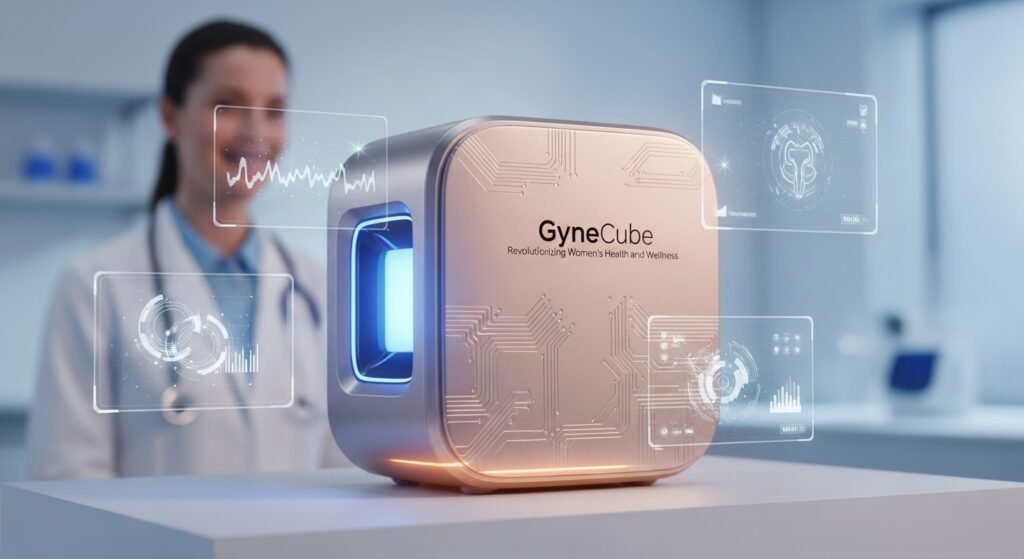
In vitro fertilization (IVF) has long been a beacon of hope for millions of couples struggling with infertility worldwide. Yet, traditional IVF procedures remain labor-intensive, prone to human variability, and limited by the need for highly skilled embryologists to perform hundreds of delicate manual steps. Enter GyneCube—a groundbreaking compact automated system that integrates fertilization and embryo culture into one streamlined platform. This innovative technology is rapidly transforming how fertility clinics operate, promising higher consistency, reduced errors, and improved patient outcomes.
GyneCube represents the next evolution in assisted reproductive technology (ART), where robotics, precise environmental controls, and integrated monitoring replace repetitive manual tasks. By automating key processes like intracytoplasmic sperm injection (ICSI) and embryo incubation, GyneCube allows embryologists to focus on clinical decision-making rather than routine handling. Clinics adopting GyneCube report streamlined workflows, minimized contamination risks, and the ability to handle more cycles without expanding physical space or staff.
This article dives deep into GyneCube: its core technology, operational mechanics, benefits, challenges, and role in reshaping IVF treatments. As infertility rates climb due to lifestyle factors, delayed parenthood, and environmental influences, tools like GyneCube are making advanced fertility care more accessible, reliable, and successful. Whether you’re a patient, clinician, or industry professional, understanding GyneCube is essential to grasping how automation is revolutionizing reproductive medicine.
Understanding Traditional IVF Processes
To appreciate GyneCube’s impact, it’s crucial to first examine conventional IVF workflows. IVF typically begins with ovarian stimulation using hormones to produce multiple eggs, followed by egg retrieval under ultrasound guidance. Sperm is collected, prepared, and then manually combined with eggs in a lab dish for fertilization—either through standard insemination or ICSI, where a single sperm is injected directly into an egg using a micropipette.
The real complexity arises in the embryo culture phase. Fertilized eggs (now zygotes) must be incubated in specialized chambers that mimic the body’s conditions: stable temperature (around 37°C), precise gas mixtures (5-6% CO2, low oxygen), and optimal humidity. Embryologists manually transfer embryos between dishes multiple times for observation, grading, and selection—often up to 200 steps per cycle. This handling exposes delicate embryos to temperature fluctuations, pH shifts, light exposure, and potential contamination, all of which can reduce viability.
Traditional incubators are large shared chambers housing multiple patients’ samples, increasing cross-contamination risks and variability. Embryo assessment relies on subjective microscopic grading by embryologists, whose experience levels vary. Success rates for IVF hover between 20-40% per cycle depending on age and other factors, with live birth rates around 30-50% for women under 35 in leading clinics. Human error, fatigue, and lab inconsistencies contribute to these limitations.
Moreover, high-volume clinics face bottlenecks: skilled staff shortages, space constraints, and escalating costs (often $10,000+ per cycle). These challenges have driven the push toward automation, setting the stage for systems like GyneCube to disrupt the status quo. By minimizing manual interventions, GyneCube addresses the very pain points that have plagued IVF for decades since the first successful birth in 1978.
What is GyneCube?
GyneCube is a compact automated incubator and fertilization platform specifically engineered for IVF laboratories. Unlike bulky traditional systems, GyneCube integrates multiple stages—gamete preparation, fertilization, embryo culture, and monitoring—into a single, space-efficient device. It employs robotic precision, independent microchambers, and advanced software to create isolated, stable environments for each patient’s samples.
At its core, GyneCube combines closed-system automation with micromanipulation tools, making it ideal for both conventional IVF and advanced ICSI procedures. The system maintains hyper-precise control over temperature, gas levels (oxygen and CO2), humidity, and pH balance, all while reducing embryo handling to near-zero. This design not only protects fragile developing embryos but also standardizes processes across cycles.
Developed to tackle the scalability issues in modern fertility care, GyneCube supports high-throughput labs without requiring proportional increases in staff or infrastructure. Its modular setup allows seamless integration into existing workflows, positioning it as a bridge between manual expertise and full lab automation. Clinics using GyneCube benefit from its user-friendly interface, which provides real-time data logging, imaging, and alerts—empowering embryologists while offloading repetitive tasks.
In essence, GyneCube is more than just an incubator; it’s a comprehensive automation solution that redefines IVF efficiency. By embedding robotics directly into the culture process, it eliminates variability that has historically capped success rates and limited access to treatments.
How GyneCube Works: A Step-by-Step Breakdown
GyneCube operates through a seamless, automated pipeline that begins the moment samples enter the system. First, prepared eggs and sperm are loaded into the sterile, closed-module platform. The system immediately establishes individualized microchambers for each sample set, ensuring no cross-exposure.
Robotic arms then handle precise gamete manipulation. For ICSI, GyneCube’s micromanipulation module uses programmed protocols to select healthy sperm, immobilize it, and inject it into the oocyte with micron-level accuracy—far surpassing human steadiness. This step alone reduces variability in fertilization rates. Once fertilization occurs, the resulting embryos transition automatically into dedicated culture chambers without any manual dish transfers.
Inside these independent chambers, GyneCube maintains optimal conditions 24/7: temperature fluctuations are virtually eliminated through advanced sensors, while gas regulation ensures ideal pH in the culture media. Humidity controls prevent evaporation, and the compact design minimizes air disturbances. Integrated time-lapse imaging captures embryo development at scheduled intervals without removing samples from the controlled environment—providing continuous, non-invasive monitoring.
Embryologists access live data via the central software dashboard, where AI-assisted grading tools highlight key milestones like cleavage stages or blastocyst formation. Selection for transfer or cryopreservation happens with minimal intervention; promising embryos are flagged automatically based on predefined criteria. Finally, the system logs every parameter for compliance and quality control, generating reports that support regulatory standards.
This end-to-end automation slashes the traditional 200+ manual steps to a fraction, keeping embryos in one stable system from fertilization through to day 5-6 blastocyst stage. The result? Healthier embryos with higher implantation potential, all managed efficiently within GyneCube’s compact footprint.
The Automation Revolution in IVF Labs
Automation in IVF isn’t new—early systems like computer-assisted sperm analysis (CASA) appeared in the 1980s—but GyneCube elevates it to a new level by unifying processes in one device. Historical milestones, from the 1978 birth of Louise Brown to ICSI in 1992 and time-lapse imaging in the 2010s, laid the groundwork. Today, full-lab automation addresses the field’s core issues: subjectivity, labor intensity, and scalability.
Studies on similar robotic systems show dramatic gains. Automated dish preparation can achieve over 10-fold consistency improvements, boosting day-3 embryo development rates from 82.6% to 92.4%. AI-guided sperm selection has delivered 10% higher blastocyst formation (76.7% vs. 67.3% manually). Full workflows have reported 64.3% fertilization rates and even live births from automated sequences. Efficiency jumps by up to 35%, with lab processing times and costs dropping 25%.
GyneCube builds on this momentum. Its robotic ICSI and closed-chamber culture minimize environmental stressors that plague manual labs. Where traditional setups expose embryos to repeated openings, temperature swings, and operator fatigue, GyneCube’s independent microchambers create patient-specific “mini-uteri.” This standardization equalizes outcomes across clinics, regardless of staff experience—potentially raising overall IVF success rates toward the upper end of 40-50% for optimal cases.
The broader revolution extends to accessibility. As global IVF cycles exceed 1.5 million annually, GyneCube enables smaller clinics to scale without massive investments in embryologist training. It also generates rich datasets for research, fueling AI refinements that could further personalize treatments. Automation isn’t replacing humans; it’s augmenting them, letting experts oversee multiple cycles simultaneously while GyneCube handles the precision work.
Key Benefits of Integrating GyneCube in Fertility Clinics
The advantages of GyneCube extend far beyond efficiency. First, consistency and reduced variability: Robotic precision and stable microenvironments eliminate human-induced fluctuations, leading to more predictable embryo quality. Clinics see standardized results cycle after cycle, directly translating to higher implantation and pregnancy rates.
Second, minimized risks: The closed system slashes contamination chances from handling or shared incubators. Embryos experience less stress, improving viability and reducing miscarriage potential. Patients gain confidence knowing their gametes and embryos are protected in a controlled, automated haven.
Third, enhanced efficiency and scalability: GyneCube supports simultaneous multiple-patient cycles in a compact unit, freeing staff for higher-value tasks like patient consultations. Labs report increased throughput—handling 2,000+ cycles yearly with minimal added personnel—while cutting operational costs through reduced labor and space needs.
Fourth, improved success metrics: Drawing from automation data, systems like GyneCube contribute to 10%+ gains in blastocyst quality and overall pregnancy rates up to 77% in optimized settings. Time-lapse monitoring within the device provides superior embryo selection data, boosting live birth odds without invasive biopsies.
Fifth, patient-centric outcomes: Shorter wait times, more affordable cycles (via efficiency savings), and higher first-attempt success reduce emotional and financial burdens. For older patients or those with complex cases, GyneCube’s precision offers new hope. Clinics gain a competitive edge, attracting patients seeking cutting-edge care.
Finally, data-driven insights: Built-in analytics feed quality control KPIs, enabling continuous improvement and regulatory compliance. In a field where every percentage point matters, GyneCube delivers measurable, reproducible benefits that elevate entire fertility programs.
Potential Challenges and Considerations for Adoption
Despite its promise, integrating GyneCube isn’t without hurdles. Initial costs for hardware, installation, and training can be substantial, potentially challenging smaller clinics. While long-term savings offset this, upfront investment requires careful ROI analysis.
Technical learning curves exist: embryologists must adapt to software interfaces and trust automated protocols, which may initially feel disruptive. Validation studies specific to GyneCube are emerging, so clinics should pilot programs to confirm compatibility with their protocols.
Regulatory and ethical questions arise too. Full automation demands stringent data privacy for imaging logs and compliance with bodies like the FDA or equivalent. Concerns about over-reliance on technology—could it deskill professionals?—are valid, though GyneCube is designed as a supportive tool.
Maintenance, software updates, and potential downtime must be planned. Not every lab environment suits compact automation; high-volume centers may need hybrid setups. Patient education is key—explaining GyneCube’s role builds trust without overstating guarantees.
Finally, equity issues: advanced automation could widen gaps if only well-funded clinics adopt it. Broader industry efforts, including subsidies or shared models, will be needed to democratize access. Addressing these challenges thoughtfully ensures GyneCube’s benefits reach all who need them.
The Future of IVF with GyneCube and Beyond
GyneCube sits at the forefront of a fully automated IVF future. Integration with advanced AI could enable predictive embryo viability scoring, personalized media adjustments, and even robotic embryo biopsy. Imagine systems where machine learning analyzes thousands of cycles to optimize every parameter in real time.
Broader trends point to end-to-end labs with minimal human touchpoints, potentially cutting costs by 25-50% and making IVF routine like other outpatient procedures. Global access expands as compact devices like GyneCube deploy in underserved regions. Research will flourish with standardized data, accelerating breakthroughs in genetic screening and regenerative therapies.
Ethical frameworks must evolve alongside: ensuring transparency, informed consent, and safeguards against bias in algorithms. Regulatory bodies are already adapting, with early adopters paving the way for approvals.
In 5-10 years, GyneCube-like platforms may become standard, pushing live birth rates above 60% for many demographics. Combined with telemedicine and at-home monitoring, IVF could transform from an elite treatment to widespread family-building support. The automation revolution, powered by GyneCube, isn’t just changing labs—it’s reshaping human reproduction itself.
Conclusion
GyneCube stands as a pivotal innovation in the IVF landscape, proving that automation can enhance precision, consistency, and accessibility without sacrificing the human element. By streamlining fertilization and culture into one intelligent system, it tackles longstanding inefficiencies and elevates success potential for countless families. As fertility challenges persist, adopting GyneCube positions clinics at the cutting edge of reproductive medicine.
The shift toward automated IVF is inevitable and exciting. Patients deserve treatments that maximize chances while minimizing burdens—and GyneCube delivers exactly that. Embracing this technology today ensures a brighter, more hopeful tomorrow for infertility care.
Frequently Asked Questions (FAQ) about GyneCube
What is GyneCube exactly? GyneCube is a compact automated incubator system for IVF labs that integrates fertilization, ICSI, embryo culture, and monitoring into one device using robotics and controlled microchambers.
How does GyneCube improve IVF success rates? By reducing manual handling and variability through precise automation, GyneCube creates stable environments that support higher embryo quality, potentially boosting blastocyst formation and implantation by 10% or more based on similar technologies.
Is GyneCube suitable for all IVF clinics? Yes, its modular, space-saving design fits both small and large labs, though high-volume centers benefit most from its scalability.
Does GyneCube replace embryologists? No—GyneCube automates repetitive tasks so embryologists can focus on oversight, grading decisions, and patient care.
What steps does GyneCube automate? It handles gamete loading, robotic sperm injection, continuous culture monitoring, time-lapse imaging, and data logging without repeated manual transfers.
Are there risks with automated IVF like GyneCube? Minimal; the closed system actually reduces contamination risks compared to traditional methods, though proper training and maintenance are essential.
How much does GyneCube cost to implement? Initial investment varies by clinic size, but efficiency gains (up to 35% time/cost savings) typically provide strong long-term ROI.
Can GyneCube be used with donor eggs or genetic testing? Absolutely—it supports standard IVF, ICSI, and integrates with preimplantation genetic testing workflows.
What makes GyneCube different from other IVF incubators? Its independent microchambers, full robotic integration for fertilization, and non-disruptive imaging set it apart from shared, manual-dependent systems.
Where is GyneCube currently available? As a new automation platform, it’s rolling out through select fertility clinics and distributors; contact manufacturers or IVF suppliers for availability in your region.