
Introduction
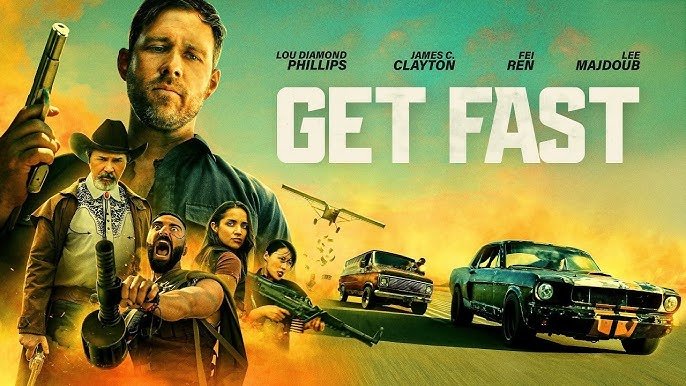
In the ever-evolving landscape of action cinema, where high-octane blockbusters dominate the box office, independent films like Get Fast (2024) offer a refreshing alternative. Directed by and starring James Clayton, Get Fast follows a notorious thief who, after a botched heist, teams up with a troubled orphan to rescue his kidnapped partner from a ruthless drug lord and her enigmatic hitman. This low-budget thriller, released directly to streaming and digital platforms, packs in chases, shootouts, and dark humor, all within a tight 88-minute runtime. While it may not boast the massive budgets of franchises like Fast & Furious or the stylistic flair of John Wick, Get Fast stands out through its unapologetic embrace of B-movie tropes, efficient pacing, and a sense of playful absurdity that harkens back to ’80s action flicks. In this article, we’ll explore how Get Fast compares to other action films, highlighting its unique strengths in a genre often saturated with formulaic entries.
The keyword here is accessibility—Get Fast doesn’t require prior knowledge of a sprawling universe, unlike the interconnected narratives of Marvel’s action-packed entries or the lore-heavy Mission: Impossible series. Instead, it dives straight into the chaos, making it an ideal pick for casual viewers seeking escapist entertainment. As we delve deeper, we’ll see how Get Fast differentiates itself from mainstream counterparts through its raw energy, character quirks, and budget-conscious creativity.
Plot and Storyline: Simplicity vs. Spectacle
At its core, Get Fast revolves around a classic heist-gone-wrong premise: The Thief (James Clayton) and his partner steal cash from drug lord Nushi (Fei Ren), only for the partner to be kidnapped, sparking a frantic rescue mission involving dirty cops, low-level thugs, and a charismatic assassin known as The Cowboy (Lou Diamond Phillips). This setup echoes films like Taken (2008), where Liam Neeson’s character embarks on a one-man vendetta to save his daughter, or Smokin’ Aces (2006), with its ensemble of hitmen and chaotic pursuits. However, where Taken builds tension through methodical revenge and Smokin’ Aces revels in over-the-top ensemble mayhem, Get Fast opts for a streamlined narrative that prioritizes momentum over intricate plotting.
What makes Get Fast stand out is its deliberate minimalism. The plot unfolds in a desert landscape with rapid shifts between chases and confrontations, avoiding the globe-trotting spectacle of Fast & Furious installments like F9 (2021), which feature space travel and magnetic cars. In Get Fast, the action feels grounded—stolen ice cream trucks and vintage planes replace supercars and helicopters in high-stakes sequences. This approach lends a gritty, indie vibe, contrasting the polished CGI extravaganzas of big-studio films. Critics have noted that while the story is “well-worn” and characters are often caricatures, the film’s efficiency in intertwining multiple action arenas keeps it engaging, much like a video game where levels escalate without unnecessary exposition. Unlike the emotional depth in John Wick: Chapter 4 (2023), where personal loss drives the protagonist, Get Fast leans into dark humor and slapstick, turning potential plot holes into comedic opportunities.
This simplicity allows Get Fast to critique, albeit subtly, the excesses of modern action cinema. While blockbusters like Mad Max: Fury Road (2015) use vast wastelands for epic world-building, Get Fast uses similar settings to emphasize survival and quick thinking on a shoestring budget, proving that compelling stories don’t need multimillion-dollar effects.
Characters and Performances: Archetypes with a Twist
Action films thrive on memorable characters, from Vin Diesel’s family-obsessed Dom Toretto in Fast & Furious to Keanu Reeves’ stoic assassin in John Wick. In Get Fast, the cast delivers archetypal roles with enough flair to elevate the material. James Clayton’s The Thief is a resourceful anti-hero, reminiscent of Jason Statham’s no-nonsense transporters in the Transporter series, but with a vulnerable edge as he mentors a troubled orphan. Lou Diamond Phillips steals scenes as The Cowboy, a charming hitman whose flamboyant outfit and witty demeanor add levity, drawing comparisons to eccentric villains in ’80s classics like Lethal Weapon (1987).
Supporting players, such as Fei Ren’s ruthless Nushi and Suleiman Abutu’s anxiety-ridden ice cream truck driver, inject humor and realism. The driver’s stress-coping mechanisms, for instance, provide comic relief absent in more serious fare like The Bourne Identity (2002). Unlike the ensemble dynamics in The Expendables (2010), where star power overshadows depth, Get Fast focuses on interpersonal quirks—dirty cops bickering like Riggs and Murtaugh, or henchmen with exaggerated personalities. This stands out by blending caricature with relatability; one review praises the addict character’s realistic portrayal as a highlight, setting it apart from one-dimensional sidekicks in films like Crank (2006).
Overall, Get Fast humanizes its tropes through performances that embrace the film’s low-stakes fun, contrasting the brooding intensity of modern action heroes.
Action Sequences: Raw Energy Over Polished Effects
Action is the heartbeat of the genre, and Get Fast delivers relentless sequences that prioritize practical stunts and editing over CGI spectacle. Car chases involving hijacked vehicles and endless shootouts recall the raw intensity of The Raid (2011), but with a comedic twist—think bullets flying from improbable angles and vehicles careening through deserts. Compared to the gravity-defying feats in Mission: Impossible—Dead Reckoning Part One (2023), where Tom Cruise’s motorcycle jumps off cliffs, Get Fast keeps things earthbound, using digital muzzle flashes and limited resources to create chaos.
What sets Get Fast apart is its pacing: events unfold “too quickly and violently,” making it hard to track factions but amplifying the adrenaline rush. This mirrors the non-stop momentum of Crank, but with a cheesy ’80s soundtrack enhancing the vibe, unlike the orchestral scores of John Wick. Reviews highlight the “awesome action scenes” and “great music,” positioning it as entertaining straight-to-video fare that outshines duds like many DTV Steven Seagal movies by having fun with its limitations.
Production Values and Direction: Indie Ingenuity
As a sequel to Bullet Proof (2022), Get Fast showcases James Clayton’s multi-hyphenate talents—directing, writing, and starring—similar to Sylvester Stallone in Rambo sequels but on a micro-budget. The collaboration with editor Zach Steele ensures coherent action despite constraints, contrasting the massive crews behind Avengers: Endgame (2019). The film’s desert aesthetic and practical effects evoke Mad Max on a dime, standing out by proving that creativity trumps cash.
Dialogue may be “cringe-worthy” at times, but the overall tone embraces B-movie charm, differentiating it from the self-seriousness of films like Extraction (2020).
Reception and Impact: Niche Appeal in a Crowded Market
With an IMDb rating of 3.7/10, Get Fast has a mixed reception—praised for fun escapism but criticized for incoherence and poor CGI. Unlike critical darlings like Everything Everywhere All at Once (2022), which blends action with profundity, Get Fast targets fans of no-brainer thrills. Its impact lies in revitalizing DTV action, offering an alternative to overproduced blockbusters.
How It Stands Out: Embracing the Underdog Spirit
Get Fast distinguishes itself by celebrating imperfection—stock characters become endearing, budget limits fuel innovation, and humor lightens the violence. In a genre dominated by franchises, it reminds us of action’s roots in simple, thrilling stories.
Conclusion
Ultimately, Get Fast may not revolutionize action cinema, but its blend of pace, humor, and grit makes it a standout indie entry. For viewers tired of bloated budgets, it’s a breath of fresh air.