
Introduction
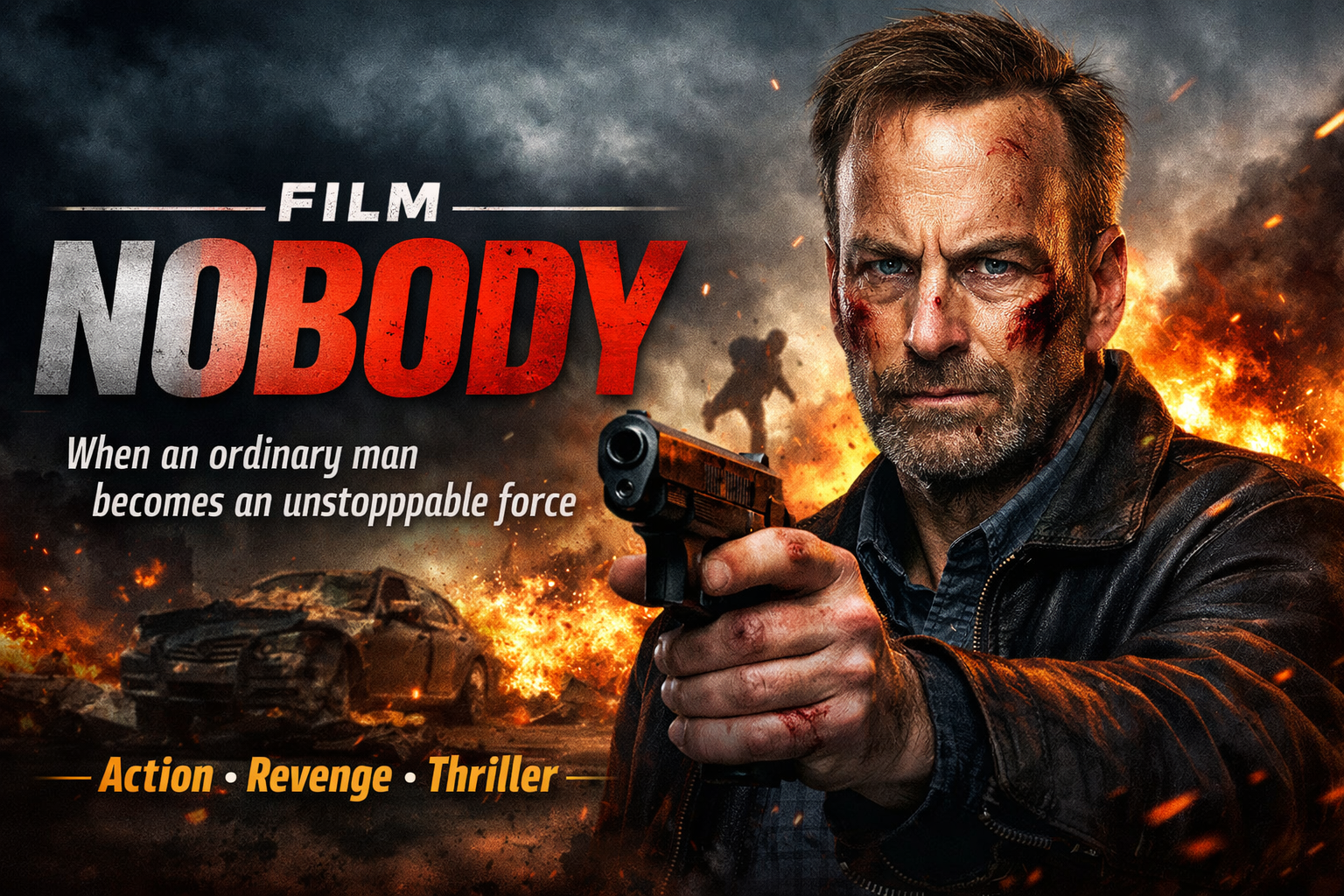
In the vast landscape of action thrillers, few films manage to blend raw intensity with relatable character development quite like Nobody. Released in 2021, this movie stars Bob Odenkirk in a role that flips his Better Call Saul persona on its head, transforming him from a scheming lawyer into a seemingly ordinary family man with a hidden past. But is the film Nobody worth watching? That’s the question we’ll dissect in this honest review. As someone who’s seen countless entries in the genre, from John Wick to Taken, I approached Nobody with cautious optimism. Directed by Ilya Naishuller and produced by the team behind John Wick, it promised high-octane action but risked falling into familiar tropes. Spoiler-free for the most part, this article will explore whether the film Nobody delivers on its hype or if it’s just another forgettable flick. We’ll break it down section by section, aiming to give you a clear verdict.
The film Nobody follows Hutch Mansell, a mild-mannered suburban dad whose life takes a violent turn after a home invasion. What starts as a story of suppressed rage evolves into a full-blown revenge saga, uncovering layers of Hutch’s mysterious background. With a runtime of about 92 minutes, it’s concise yet packed with punches—literally. Critics have praised its blend of humor and brutality, but does it stand out enough to warrant your time? Let’s dive deeper.
Plot Summary and Themes
At its core, the plot of the film Nobody is straightforward: Hutch, played by Odenkirk, is a former “auditor” (a euphemism for a government assassin) who’s retired to a quiet life. When burglars target his home, he chooses not to fight back initially, leading to family tensions and self-doubt. This decision sparks a chain of events where Hutch unleashes his skills against Russian mobsters, escalating into chaotic set pieces. The narrative draws heavily from the “everyman hero” archetype, but it infuses it with dark comedy and commentary on masculinity.
One of the film’s strengths is its exploration of themes like repressed anger and the allure of violence. Hutch’s journey isn’t just about kicking butt; it’s about reclaiming agency in a mundane existence. The script, penned by Derek Kolstad (of John Wick fame), cleverly subverts expectations. For instance, early scenes build Hutch as a pushover, making his transformation all the more satisfying. However, the plot isn’t without flaws—some twists feel predictable, and the antagonists are somewhat one-dimensional. Still, the pacing keeps things moving, ensuring the film Nobody doesn’t drag.
Themes of family and redemption add emotional weight. Hutch’s relationship with his wife (Connie Nielsen) and kids feels authentic, grounding the absurdity of the action. It’s not just mindless fights; there’s a human element that elevates it above pure spectacle. If you’re tired of superheroes, the film Nobody offers a grounded take on vigilantism, reminding us that sometimes, the most dangerous people are those who’ve chosen peace—until they can’t anymore.
Cast and Performances
Bob Odenkirk anchors the film Nobody with a performance that’s equal parts vulnerable and vicious. Known for dramatic roles, he nails the physicality here, undergoing rigorous training to sell the fight scenes. His Hutch is relatable—a dad who’s overlooked at work and home—making the shift to action hero believable and thrilling. Odenkirk’s comedic timing shines in quieter moments, adding levity to the gore.
Supporting cast members hold their own. Connie Nielsen as Becca brings warmth and frustration to the spousal role, avoiding the damsel trope. Christopher Lloyd, as Hutch’s retired father, steals scenes with his grizzled charm, delivering lines with perfect deadpan humor. RZA appears as a mysterious ally, adding cool factor, while the villains, led by Aleksey Serebryakov as the Russian crime boss, provide menacing foils. Serebryakov’s portrayal is charismatic yet terrifying, making the confrontations pulse with tension.
Overall, the ensemble elevates the material. No one phones it in, and the chemistry feels natural. If the film Nobody succeeds, it’s largely due to these actors breathing life into what could have been stock characters.
Direction, Cinematography, and Action Sequences
Ilya Naishuller’s direction brings a kinetic energy to the film Nobody, drawing from his music video background (he’s known for Biting Elbows’ viral clips). The camera work is dynamic, with long takes that immerse you in the chaos. Cinematographer Pawel Pogorzelski (Midsommar) captures the suburban drabness contrasting with explosive violence, using lighting to heighten mood—dim homes versus neon-lit clubs.
The action is where the film Nobody truly shines. Choreographed by the 87Eleven team (John Wick), fights are brutal and inventive. A bus sequence stands out: Hutch takes on thugs in a confined space, using everyday objects as weapons. It’s visceral, with practical effects over CGI, making impacts feel real. Gunplay is sharp, and car chases add variety. Naishuller’s use of music—eclectic tracks from The Prodigy to old crooners—amplifies the tone, blending irony with intensity.
That said, some sequences border on gratuitous violence, which might turn off sensitive viewers. The editing is tight, but occasional slow motion feels overused. Technically, it’s solid, earning its R-rating with style.
Strengths of the Film
What makes the film Nobody worth watching? First, its brevity—under two hours—respects your time without filler. The humor is a standout: dry wit punctuates the action, preventing it from becoming too grim. Odenkirk’s star turn is magnetic, proving he can lead blockbusters. Thematically, it critiques toxic masculinity while indulging in it, creating an interesting duality.
Production values are high for a mid-budget film (around $16 million), with authentic locations and sound design that make every punch land audibly. It’s empowering for middle-aged viewers, showing that heroes don’t need capes or youth. Compared to peers, it feels fresh, avoiding the franchise bloat of similar movies.
Weaknesses and Criticisms
No review is honest without addressing flaws. The plot of the film Nobody treads familiar ground—retired killer pulled back in—which might feel derivative to genre fans. Villains lack depth; they’re cartoonish Russians, relying on stereotypes. Female characters, while competent, are underdeveloped, serving mostly as motivators for Hutch.
Pacing dips in the middle, with setup overshadowing payoff. Some humor misses, coming off as forced. Accessibility-wise, the violence is intense—blood, broken bones—so it’s not for everyone. Critically, it scored 84% on Rotten Tomatoes, but some reviewers called it “enjoyable but unoriginal.” If you’re seeking innovation, it might disappoint.
Comparison to Similar Films
How does the film Nobody stack up? It’s often called “John Wick with a dad bod,” and that’s apt—same writer, similar vibe, but more grounded. Unlike Wick‘s mythic world, Nobody is rooted in reality, making the stakes personal. Versus Taken, it has better humor and less preachiness. Films like The Equalizer share the vigilante theme, but Nobody is snappier.
In the post-John Wick era, it holds its own by focusing on character over spectacle. If you loved Atomic Blonde or Upgrade, this will appeal. It’s not revolutionary, but it refines the formula effectively.
Conclusion
Ultimately, is the film Nobody worth watching? Absolutely, if you crave smart, self-aware action with heart. It’s fun, fierce, and funny, clocking in as a solid B+ in the genre. Odenkirk’s performance alone justifies a view, and the concise runtime makes it rewatchable. Stream it on Hulu or rent it—perfect for a movie night. If you’re action-averse or seek depth, skip it. But for most, it’s a yes.