
Introduction
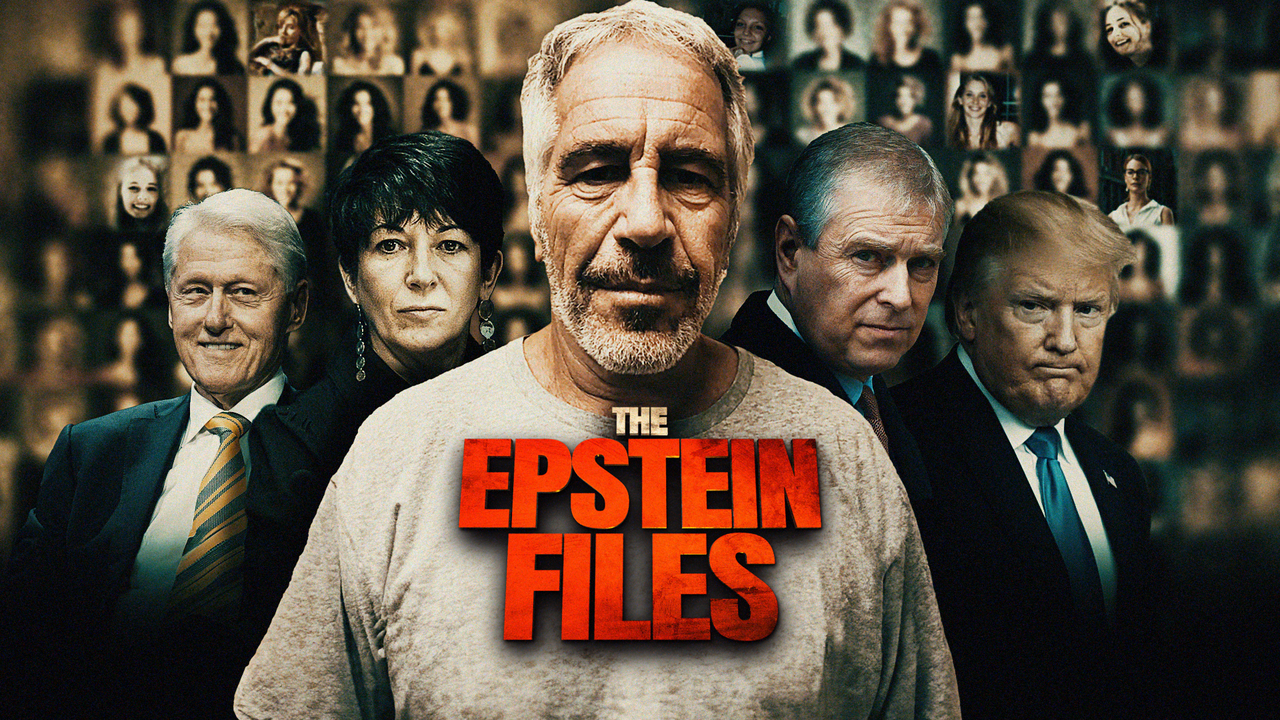
The Epstein Files have captivated global attention, revealing the shadowy world of Jeffrey Epstein, the convicted sex offender and financier who died in 2019. These documents, stemming from years of investigations, lawsuits, and congressional mandates, offer insights into Epstein’s network of powerful associates and the allegations of sexual abuse and trafficking. As of February 2026, the Epstein Files continue to unfold, with recent releases exposing communications, financial records, and photos that implicate elites across politics, business, and royalty. This article breaks down the latest developments, key names, and the broader legal ramifications, drawing from official releases and media analyses.
What Are the Epstein Files?
The Epstein Files refer to a vast collection of over 3.5 million pages of documents, including emails, court records, FBI reports, videos, and images, related to Jeffrey Epstein’s criminal activities. Epstein, arrested in 2019 on federal sex-trafficking charges, was accused of abusing dozens of underage girls and operating a network that preyed on vulnerable minors. The files originate from multiple sources: FBI investigations, civil lawsuits like Virginia Giuffre’s 2015 defamation case against Ghislaine Maxwell (Epstein’s convicted accomplice), and grand jury proceedings.
The push for transparency intensified in 2025 when Congress passed the Epstein Files Transparency Act, signed into law by President Donald Trump on November 19, 2025. This bipartisan legislation required the Department of Justice (DOJ) to release all unclassified materials within 30 days, aiming to expose Epstein’s enablers and victims’ stories. However, the DOJ cited the massive volume—potentially up to 7 million pages total—for rolling releases, leading to delays and criticisms. The files do not include a mythical “client list” of blackmailed elites, as some conspiracy theories suggest, but they do detail Epstein’s relationships and the FBI’s findings that, while he abused girls, evidence of a broader elite trafficking ring was scant.
Latest News and Releases
The most recent major release occurred on January 30, 2026, when the DOJ published over 3 million additional pages, including 2,000 videos and 180,000 images, bringing the total to nearly 3.5 million responsive pages under the Transparency Act. This tranche followed earlier dumps in December 2025 and included emails, bank records, and photos from Epstein’s properties. However, the release was marred by controversies: botched redactions exposed victims’ identities, prompting the DOJ to remove thousands of documents due to “technical or human error.” Victims’ lawyers described the failures as catastrophic, turning lives “upside down” and demanding judicial intervention.
In response, the DOJ announced on February 6, 2026, that members of Congress could access unredacted versions starting February 9, following a request from House Judiciary Committee ranking member Jamie Raskin. This move aims to verify if the DOJ improperly withheld information. Meanwhile, the FBI’s review of the files, as detailed in Associated Press analyses, concluded Epstein sexually abused underage girls but found little evidence of blackmail or a high-level trafficking operation for powerful men. Despite this, the releases have sparked global fallout: in the UK, new details on ties to the establishment, including former Prince Andrew and ex-ambassador Peter Mandelson, have fueled political crises. In Europe, scrutiny extends to royals like Norway’s Crown Princess Mette-Marit.
Social media buzz, including X posts, highlights public outrage and misinformation. For instance, claims of Putin trafficking girls to Epstein surfaced, alongside discussions of the files as distractions from other issues. The DOJ maintains this is the final major release, though advocates argue millions of pages remain hidden under privileges like attorney-client confidentiality.
Key Names Involved
The Epstein Files name hundreds of individuals, from victims to associates, but emphasize that mere mention does not imply wrongdoing. Prominent figures include:
- Donald Trump: Appears hundreds of times, often in benign contexts like old friendships that ended around 2004. No new accusations of misconduct emerged, though sensational claims were debunked by the DOJ. Trump signed the Transparency Act and has called for full disclosure.
- Bill and Hillary Clinton: Referenced extensively, including emails and visits. The Clintons agreed to testify before Congress about their ties, amid renewed scrutiny. Bill Clinton rejected Epstein’s invitations post-conviction.
- Tech Billionaires like Bill Gates and Elon Musk: Gates’ communications show meetings with Epstein, tied to philanthropy, but no abuse allegations. Musk is mentioned in emails, denying deep involvement.
- Royals and Politicians: Former Prince Andrew faces renewed pressure over settlements and denials of abuse. Saudi royals, Norwegian royalty, and UK figures like Richard Branson appear in communications. US officials like former governors and cabinet secretaries, including Howard Lutnick (current Commerce Secretary), are noted for visits, which they dispute.
- Others: Scientists consulted Epstein on publications; business executives like Anil Ambani are linked to salacious offers in chats. Entertainers like Jay-Z are falsely tied in some narratives, but not in official files.
The files also highlight recruiters like Haley Robson and model scout Jean-Luc Brunel, who died in custody. Victims like Johanna Sjoberg provide damning depositions.
Legal Impact and Ongoing Cases
The Epstein Files have profound legal implications, though no new indictments have resulted. The Transparency Act itself stemmed from frustration over Epstein’s 2008 plea deal, which shielded him and co-conspirators from federal charges—a deal ruled to violate victims’ rights under the Crime Victims’ Rights Act, though appeals failed.
Ongoing scrutiny includes congressional oversight: Lawmakers like Ro Khanna and Thomas Massie sought court intervention in Maxwell’s case to enforce releases but were denied, though they can sue separately. The DOJ’s redaction failures could lead to lawsuits from victims, emphasizing the tension between transparency and privacy. UN experts have called for accountability, warning that handling sets precedents for elite impunity.
Broader impacts: The files expose systemic failures in prosecuting elites, fueling calls for reforms. In academia and science, revelations of Epstein’s influence on researchers highlight ethical lapses. Financially, Epstein’s donations to groups like Friends of the Israel Defense Forces raise money-laundering questions. No active cases stem directly from the 2026 releases, but they bolster civil suits and public pressure.
Controversies and Criticisms
Critics argue the releases confirm a “vast global conspiracy” of elite immunity, with redactions hiding more. Conspiracy theories abound, from cannibalism claims to distractions from other news. The DOJ faces accusations of noncompliance, with deadlines missed and privileges overused. Victims’ advocates demand better protections, while media like FRANCE 24 note the files’ ramifications on global elites.
Conclusion
The Epstein Files underscore the enduring quest for justice in one of the most infamous scandals. While exposing uncomfortable truths about power and abuse, they also highlight investigative limits and the need for systemic change. As Congress reviews unredacted materials, more revelations may emerge, but the core message remains: no one should be beyond accountability.
FAQ
What are the Epstein Files?
The Epstein Files are millions of documents, including court records, emails, and FBI reports, related to Jeffrey Epstein’s sex-trafficking investigations and associates.
When were the latest Epstein Files released?
The most recent major release was on January 30, 2026, with over 3 million pages from the DOJ.
Who are some key names in the Epstein Files?
Names include Donald Trump, Bill Clinton, Elon Musk, Bill Gates, Prince Andrew, and others, often in associational contexts without proven wrongdoing.
What is the legal impact of the Epstein Files?
They have led to no new charges but exposed plea deal flaws, victim rights violations, and calls for elite accountability.
Why were some Epstein Files redacted or removed?
Redactions protect victims’ privacy and privileges; failures led to removals after exposures.
Will more Epstein Files be released?
The DOJ claims compliance, but Congress may push for withheld pages; unredacted access for lawmakers begins February 9, 2026.