
Introduction
The Bangladesh Election Result 2026 marks a pivotal moment in the nation’s political history, ushering in a new era following years of turbulence. Held on February 12, 2026, this general election was the first since the 2024 student-led uprising that ousted long-time Prime Minister Sheikh Hasina. With nearly 127 million eligible voters participating, the polls saw the Bangladesh Nationalist Party (BNP) emerge victorious, securing a commanding majority in the 300-seat Jatiya Sangsad. This outcome not only reflects a shift in public sentiment but also sets the stage for significant governance changes under BNP leader Tarique Rahman.
The Bangladesh Election Result 2026 has been hailed as a restoration of democratic stability in South Asia’s densely populated nation. Opinion polls had predicted a strong showing for the BNP, and the results lived up to those expectations, with the party clinching over 200 seats in some tallies. This article provides a complete overview, delving into the background, key players, results, and broader implications of this landmark event.
Background of the Election
To understand the Bangladesh Election Result 2026, it’s essential to revisit the events leading up to it. The 2024 Gen Z-driven protests, fueled by demands for fair job quotas and against perceived authoritarianism, culminated in Sheikh Hasina’s resignation and exile after 15 years in power. An interim government, led by Nobel laureate Muhammad Yunus, was installed to oversee reforms and organize fresh elections.
The interim administration faced challenges, including economic instability, floods, and political violence, but managed to hold the vote on schedule. The Awami League, Hasina’s party, was largely sidelined—barred from participating due to allegations of corruption and human rights abuses during her tenure. This created a bipolar contest primarily between the center-right BNP and the Islamist Jamaat-e-Islami alliance.
The election was conducted under heightened security, with international observers from the UN, EU, and neighboring countries monitoring for fairness. Unlike the boycotted 2024 polls, this one saw broader participation, symbolizing a break from the past.
Key Parties and Candidates
The Bangladesh Election Result 2026 was dominated by two major coalitions. The BNP, led by Tarique Rahman—son of former President Ziaur Rahman and Khaleda Zia—positioned itself as a reformist force promising economic revival, anti-corruption measures, and youth empowerment. Rahman, who returned from a 17-year exile in London, contested from two constituencies and won both decisively.
Opposing the BNP was the Jamaat-e-Islami, allied with smaller parties like the National Citizen Party (NCP). Jamaat focused on Islamic values, social justice, and criticism of the interim government’s secular policies. Other independents and minor parties, including remnants of the Awami League running as independents, filled out the field but failed to make significant inroads.
The campaign was intense, with debates on economic recovery post-COVID and floods, foreign relations (especially with India and China), and justice for 2024 uprising victims. Rahman’s charisma and the BNP’s historical legacy as a nationalist party resonated with urban and rural voters alike.
Election Day and Voter Turnout
Polling for the Bangladesh Election Result 2026 took place across 42,000 stations, starting at 8 AM and ending at 4 PM on February 12. Despite sporadic reports of violence in rural areas, the day was largely peaceful, with a voter turnout estimated at around 60%—higher than the 40% in the controversial 2024 election.
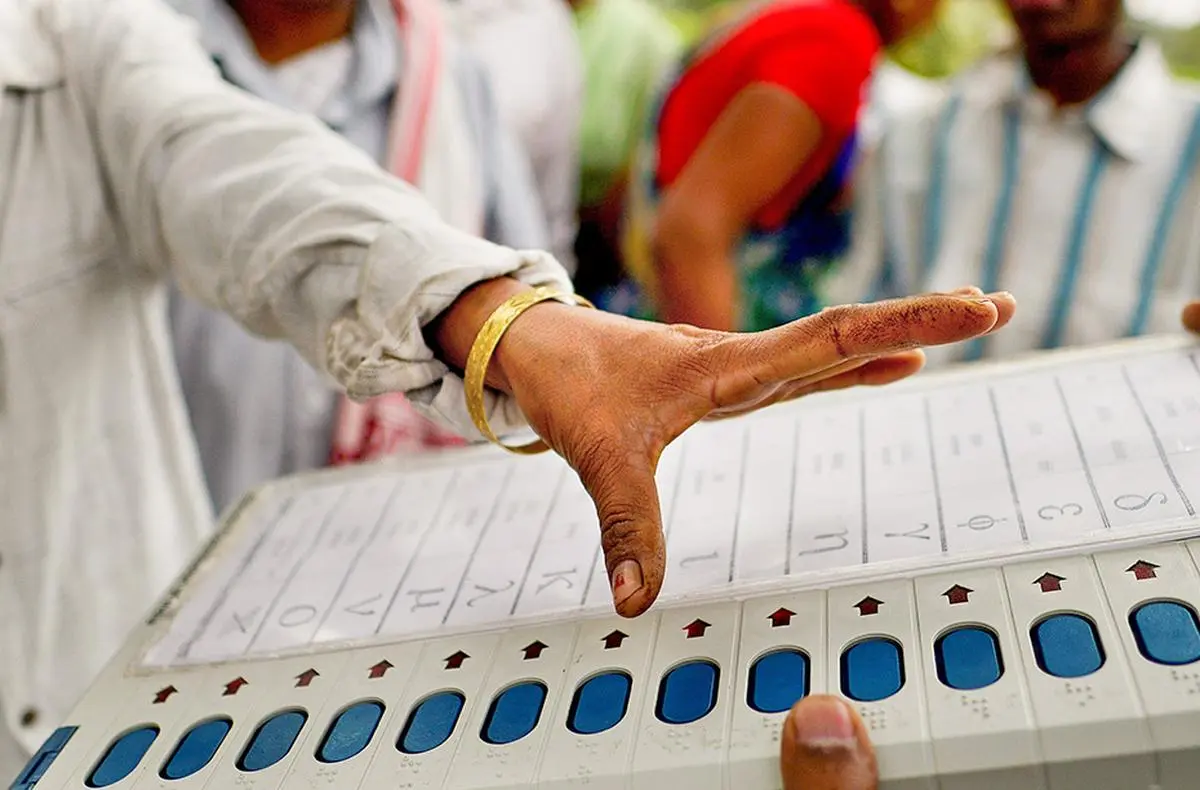
Voters queued in long lines, reflecting enthusiasm for change. Women and youth, who played key roles in the 2024 protests, turned out in record numbers. The Election Commission used electronic voting machines in urban centers to expedite counting, though manual ballots were used elsewhere. International media covered the event extensively, noting the absence of major irregularities compared to previous polls.
Results Breakdown
As counting progressed into February 13, the Bangladesh Election Result 2026 revealed a landslide for the BNP. Unofficial tallies from local TV stations like Jamuna and Somoy showed the BNP securing 209 seats, achieving a two-thirds majority in the 300-member parliament. This included strong performances in Dhaka, where the party won 13 out of 20 seats.
The Jamaat-e-Islami alliance trailed with approximately 70 seats, conceding defeat early. Smaller parties like the NCP won a handful, around 4 seats, while independents and others claimed the rest. Tarique Rahman personally triumphed in Bogura-6 and Dhaka-17, solidifying his path to premiership.
Regional breakdowns highlighted BNP’s dominance in northern and central districts, traditionally its strongholds, while Jamaat performed better in conservative southern areas. The results were officially confirmed by the Election Commission later on February 13, aligning closely with media projections.
Key Outcomes and Implications
The Bangladesh Election Result 2026 has profound implications for the country’s future. Tarique Rahman’s ascension as the first male prime minister in 35 years—since the era of his parents—signals a generational shift. His government is expected to prioritize economic reforms, including boosting garment exports, attracting foreign investment, and addressing climate vulnerabilities.
Politically, the BNP’s supermajority allows for constitutional amendments, potentially reforming the caretaker government system or electoral laws. However, critics worry about potential authoritarian tendencies, given the party’s past governance from 2001-2006, marked by corruption allegations.
On the social front, the election empowers the youth, with many new MPs under 40. It also diminishes the Awami League’s influence, possibly leading to trials for Hasina-era officials. Economically, stability could revive growth, projected at 6-7% annually, but challenges like inflation and debt remain.
International Reactions
The global response to the Bangladesh Election Result 2026 has been largely positive. Indian Prime Minister Narendra Modi and External Affairs Minister S. Jaishankar congratulated Rahman, emphasizing continued bilateral ties on border security and trade. Pakistan also extended felicitations, highlighting shared cultural bonds.
The US and EU praised the peaceful conduct, urging inclusive governance. China, a major investor, expressed readiness to deepen economic partnerships. Overall, the results are seen as stabilizing a key regional player.
Conclusion
In summary, the Bangladesh Election Result 2026 represents a triumph of democratic renewal, with the BNP’s victory paving the way for transformative policies. As Tarique Rahman prepares to take office, the nation looks forward to healing divisions and building prosperity. This election not only closes a chapter of unrest but also opens one of hope, underscoring the power of public will in shaping governance.
FAQ
What was the date of the 2026 Bangladesh general election?
The election was held on February 12, 2026, with results announced on February 13.
Who won the Bangladesh Election Result 2026?
The Bangladesh Nationalist Party (BNP), led by Tarique Rahman, won a landslide majority, securing over 200 seats in the 300-seat parliament.
What was the voter turnout in the 2026 election?
Voter turnout was approximately 60%, higher than in previous elections, reflecting widespread participation.
Why was this election significant?
It was the first poll since the 2024 student-led uprising that ousted Sheikh Hasina, marking a shift toward new leadership and reforms.
What are the key priorities for the new government?
The BNP-led government is expected to focus on economic recovery, anti-corruption efforts, youth empowerment, and strengthening international relations.
Was the election fair and transparent?
International observers noted it was largely peaceful and fair, with fewer irregularities compared to past elections.
What happened to the Awami League in this election?
The Awami League was barred from participating due to allegations against its leadership, leading to many members running as independents with limited success.
Who is Tarique Rahman?
Tarique Rahman is the BNP chairman, son of former leaders Ziaur Rahman and Khaleda Zia, who returned from exile to lead his party to victory.
How did international leaders react?
Leaders from India, Pakistan, the US, EU, and China congratulated the winners, expressing support for continued cooperation.
What challenges does the new government face?
Key challenges include economic instability, climate change impacts, political reconciliation, and maintaining democratic standards.