The superheroine Diana Prince, better known as Wonder Woman, has inspired generations since her 1941 debut, standing as a beacon of strength, compassion, and justice in a world often dominated by male heroes. Her costume has always featured a prominent chest emblem that captures her essence perfectly. The Wonder Woman Logo has become one of the most recognizable emblems in pop culture, evolving alongside the character while retaining core themes of empowerment and heritage. This article explores its rich history, from wartime origins to modern interpretations, unpacking the layers of meaning behind every curve and color. Through detailed examination of its design changes and cultural resonance, we uncover why this symbol continues to resonate so powerfully today.
The Birth of a Heroine in Wartime America
Wonder Woman was created by psychologist William Moulton Marston and artist Harry G. Peter amid the turmoil of World War II. Marston, a pioneering figure who invented an early version of the lie detector, crafted the character as deliberate propaganda for female empowerment. He believed women possessed innate qualities of love, wisdom, and strength that could lead society toward peace. Drawing from Greek mythology, he placed Diana as an Amazon princess from the hidden island of Themyscira, sent to the world of men to champion justice.
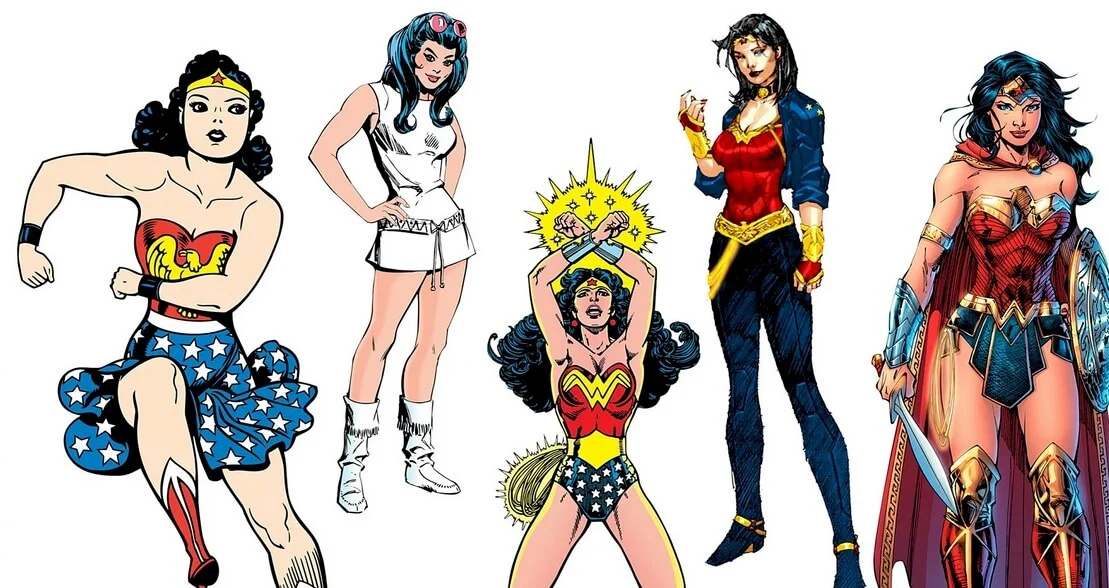
Her debut in All-Star Comics #8 and Sensation Comics #1 in 1941 introduced a costume steeped in American symbolism: red bustier, blue shorts with white stars, and golden accessories. At the center of her chest sat a golden eagle with outstretched wings. This was no random choice. The eagle embodied the United States’ national bird during a time when America was entering the global conflict against fascism. It also tied directly to her Olympian roots, as the golden eagle served as a sacred symbol of Zeus in ancient Greek lore. Marston and Peter thus fused two heritages—immigrant American patriotism and divine Amazonian legacy—into one visual motif. The eagle’s fierce yet protective stance mirrored Diana’s mission: to defend the innocent while promoting truth and equality. Early covers showed her in action poses that highlighted this emblem, making it instantly memorable to readers seeking hope amid wartime uncertainty.
This initial design set the foundation for decades of storytelling. The eagle wasn’t merely decorative; it represented flight, vision, and unyielding power. Fans immediately connected with it, as it positioned Wonder Woman alongside Superman’s “S” and Batman’s bat symbol as an iconic chest insignia that conveyed character identity at a glance. Throughout the Golden Age, the emblem appeared consistently, reinforcing her role as a bridge between worlds. Minor artistic variations occurred—sometimes the eagle appeared more stylized or perched differently—but its core symbolism remained intact, serving as a visual anchor for her adventures against villains like Ares and Nazi spies.
Decades of the Eagle: Early Evolutions (1940s-1970s)
From the 1940s through the 1970s, the golden eagle emblem underwent subtle refinements that reflected broader shifts in comic book art and society. In the post-war era, as Wonder Woman transitioned from wartime propaganda to peacetime advocate, artists like Ross Andru tweaked the design for clarity and dynamism. By 1949, the eagle became more minimalistic, with cleaner lines and reduced feathering to suit evolving printing techniques. The 1950s and 1960s saw further adjustments: lower feathers were removed in some iterations, and the bird appeared to perch on her golden belt, emphasizing unity with the rest of her outfit.
These changes were not arbitrary. They responded to reader feedback and artistic trends during the Silver Age, when comics emphasized brighter colors and heroic optimism. The emblem’s gold hue contrasted sharply against her red top, making it pop on newsstands. In the 1970s, as feminism gained momentum, the eagle took on renewed significance. A notable redesign enlarged the wings while shrinking the head, connecting it more fluidly to her belt. This version even crossed into live-action with the 1975 Wonder Woman television series starring Lynda Carter, where the eagle gleamed under studio lights, symbolizing timeless American ideals.
Throughout these decades, the eagle reinforced Diana’s dual identity. As an immigrant from Themyscira who embraced U.S. citizenship, she embodied the melting pot ideal. The bald eagle nodded to American freedom, while its golden tone evoked Zeus’s divine bird, hinting at her godly lineage long before official retcons confirmed her as Zeus’s daughter. This layering added depth, allowing stories to explore themes of belonging and cultural fusion. Collectors and historians note how the consistency of the eagle across forty years built brand loyalty, turning it into a merchandising staple even before the superhero film boom. By the late 1970s, however, comic executives recognized the need for modernization. The eagle, while beloved, lacked a simple, trademark-friendly abbreviation that could compete with Superman’s bold “S” or Batman’s bat oval. A fresh approach was on the horizon, one that would honor the past while propelling the character forward.
Revolutionizing the Symbol: Milton Glaser’s Winged WW
The 1980s brought a seismic shift in superhero comics, and Wonder Woman’s chest emblem was no exception. In DC Comics Presents #41 (cover-dated January 1982), legendary graphic designer Milton Glaser—famous for the iconic I ♥ NY logo and DC’s bullet emblem—reimagined the eagle as a stylized, stacked double “W.” The wings of the former bird were cleverly incorporated into the letterforms, creating a seamless evolution that fans instantly recognized. This winged “WW” debuted on Diana’s costume in Wonder Woman #288, with a full in-story explanation arriving in the landmark issue #300.
According to the narrative, the Wonder Woman Foundation—a real-world charity inspired by the character—gifted Diana a new breastplate. She accepted it as a symbol representing all women worldwide, not just Amazons or Americans. This meta-layer added profound resonance: the change wasn’t cosmetic but thematic, aligning with the era’s push for female representation in media. George Pérez’s acclaimed 1987 relaunch further refined the design, integrating it into dynamic storytelling that explored Diana’s origins and responsibilities.
This transition marked a pivotal moment for the Wonder Woman Logo, transforming a naturalistic eagle into an abstract monogram that screamed “Wonder Woman” at first glance. Glaser’s genius lay in preserving the eagle’s essence—outstretched wings for freedom and power—while making it instantly trademarkable for merchandise. The stacked “W”s evoked the character’s initials, much like Superman’s “S,” but with added motion and grace. Fans debated the switch initially, but the new emblem’s versatility won them over. It appeared on covers, action figures, and apparel, solidifying Wonder Woman’s place in the DC Trinity alongside her male counterparts. The 1980s redesign proved that symbols could evolve without losing soul, setting a precedent for future updates while cementing the “WW” as a global icon of empowerment.
Refinements and Variations: The Logo Through the Modern Age
Post-1980s, the emblem continued to adapt across reboots and media. In 1994, artist Mike Deodato Jr. flattened the “W”s and widened the wings for a bolder, more aggressive look during a temporary suit change. John Byrne restored a robust version in 1995, reconnecting it to a larger belt. By 1998, Adam Hughes introduced a solid, curved bronze tone, adding depth and texture. The 2006 relaunch by Terry Dodson blended elements, shaping the “WW” into a subtle eagle form—a nostalgic throwback that honored the original while retaining the monogram.
The New 52 era (2011) saw Jim Lee sharpen the design with silver tones for a sleeker, modern edge. Post-Rebirth and in current continuity, artists like Nicola Scott have favored a prominent golden eagle again in some costumes, emphasizing Diana’s Olympian heritage after confirming her as Zeus’s daughter. This hybrid approach—eagle-like “WW”—reflects ongoing storytelling flexibility.
Cinema brought further variations. Gal Gadot’s portrayal in the DCEU featured intricate golden eagle armor in Wonder Woman (2017) and Wonder Woman 1984, with battle-worn textures and metallic sheen that evoked ancient relics. The emblem gleamed during epic battles, bridging comic roots with blockbuster spectacle. Animated series and video games offered stylized takes, from cartoonish wings to 3D-rendered depth. Each iteration maintained core elements: gold or silver coloring, wing motifs, and bold geometry. These refinements demonstrate how the symbol stays relevant—adapting to artistic styles, technological advances, and narrative needs without diluting its power. From comic panels to movie screens, it evolves yet endures, proving design timelessness when rooted in meaningful history.
Decoding the Symbolism: What the Emblem Truly Represents
At its heart, the chest insignia layers multiple meanings that elevate it beyond mere decoration. The original eagle fused American patriotism with Greek mythology. The bald eagle symbolized U.S. freedom and justice during WWII, while the golden eagle, associated with Zeus, underscored Diana’s divine Amazonian birthright. This duality highlighted her immigrant story: leaving Themyscira to champion humanity while honoring her roots. Post-Flashpoint continuity amplified this, making the emblem a visual metaphor for cultural fusion and Olympian legacy.
The 1982 “WW” shift added feminist depth. The letters stood for “Wonder Woman” but also “Women Worldwide,” as explained in the Foundation storyline. Marston’s vision—that kind, brave women could rule the world—found perfect expression here. The wings retained the eagle’s flight and vision, symbolizing aspiration and oversight. Colors reinforced this: red for passion and strength, gold for divinity and excellence, blue and white stars evoking the American flag and truth. Like Superman’s “S” representing hope or Batman’s bat signifying fear, this emblem embodied love conquering war—Aphrodite triumphing over Ares in Marston’s original mythology.
Comparisons to other icons reveal its uniqueness. Superman’s shield is protective and solar-powered; Batman’s bat is shadowy and intimidating. Wonder Woman’s design is graceful yet powerful, feminine without fragility. It inspires because it represents balance: warrior and diplomat, goddess and everyperson. In feminist discourse, it became a rallying image, appearing on Ms. Magazine covers and empowering merchandise. Psychologically, Marston’s lie detector background infused truth-seeking themes, with the lasso complementing the emblem’s visual honesty. Ultimately, the symbol communicates empowerment, heritage, and hope—reminding wearers and viewers that strength comes from compassion and conviction.
The Cultural Phenomenon and Enduring Influence
Beyond comics, the Wonder Woman Logo has permeated global culture as a brand of resilience. It inspired real-world initiatives like the Wonder Woman Foundation and appears on everything from apparel to jewelry, teaching generations about female heroism. Television with Lynda Carter and films starring Gal Gadot amplified its reach, turning casual viewers into fans who recognize the “WW” instantly. Merchandise sales soar with each reboot, proving commercial viability rooted in emotional connection.
The logo’s impact extends to empowerment movements. It symbolizes breaking barriers, much like Diana’s fight against inequality. Young girls don costumes featuring the emblem, internalizing messages of self-worth and justice. In pop culture analysis, it parallels other feminist icons, from Rosie the Riveter to modern superheroes. Designers study its evolution for lessons in timeless branding: honor origins, adapt thoughtfully, maintain recognizability. Even in video games and animation, variants retain the spirit, ensuring cross-generational appeal.
Its legacy lies in adaptability. While other symbols stay static, this one evolves with society—reflecting shifting views on gender, heroism, and identity. It stands as proof that visual storytelling can drive cultural change, embodying Marston’s dream of balanced power. As new stories emerge, the emblem will continue inspiring, its wings forever outstretched toward a better world.
Conclusion
From a wartime eagle to a winged monogram of empowerment, the chest insignia has mirrored Wonder Woman’s journey and society’s progress. Its power stems from layered history, thoughtful design, and profound symbolism. As Diana fights on, so does this enduring emblem, reminding us all of the strength within.
FAQ
What does the original eagle emblem represent? It symbolizes American patriotism through the bald eagle and Greek divine heritage via Zeus’s golden eagle, highlighting Diana’s immigrant and Olympian roots while embodying freedom, justice, and power.
When and why was the eagle replaced by the “WW”? The switch occurred in 1982 via Milton Glaser’s design in DC Comics Presents #41. It was introduced in-story as a gift from the Wonder Woman Foundation to represent women globally and created a trademarkable symbol for merchandise while evoking the eagle’s wings.
Who designed the iconic stacked “WW” emblem? Milton Glaser, renowned for the DC bullet logo and I ♥ NY, crafted the winged “WW” in 1982. It has been refined by artists like George Pérez, Terry Dodson, and Jim Lee in subsequent years.
Has the logo appeared differently in movies? Yes. The DCEU films feature a detailed golden eagle armor motif for authenticity to ancient Amazonian roots, with metallic textures and battle wear, while retaining the spirit of both classic eagle and “WW” designs.
What colors are central to the emblem and why? Gold or silver for divinity and excellence, red for passion and strength, and blue with white stars nodding to the American flag. These choices reinforce themes of truth, hope, and heroic legacy.
Why is the emblem considered a feminist symbol? Rooted in Marston’s belief that women should lead with love and wisdom, the “WW” stands for “Women Worldwide.” It promotes empowerment, equality, and the idea that feminine strength balances the world.
How has the emblem evolved in recent comics? Modern versions blend eagle and “WW” elements, especially post-Rebirth, to emphasize Zeus’s lineage and heritage while keeping the monogram for recognizability across media.
Is the emblem used beyond comics? Absolutely—it appears in TV shows, films, video games, fashion, and charity branding, serving as a universal icon of female heroism and inspiration worldwide.