Pixar’s 2009 animated masterpiece Up remains one of the most emotionally resonant films in cinematic history. Directed by Pete Docter and Bob Peterson, the story follows curmudgeonly widower Carl Fredricksen as he ties thousands of balloons to his house and embarks on a journey to Paradise Falls in South America—only to discover an unlikely young companion in Wilderness Explorer Russell, a talkative golden retriever named Dug, and a giant flightless bird called Kevin. What elevates Up beyond its stunning visuals and heartfelt plot is its sharp, memorable dialogue. These lines capture themes of love, loss, adventure, friendship, and personal growth with remarkable economy and depth. One of the elements that truly elevates the film is its Up Film Quotes, which have become cultural touchstones for audiences of all ages.
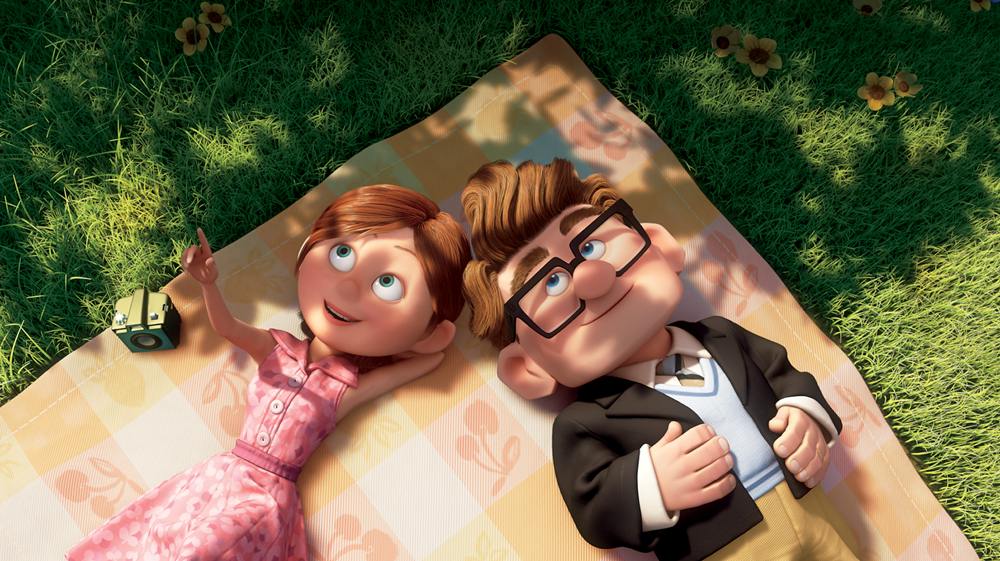
The movie opens with a wordless montage that silently chronicles Carl and Ellie’s lifelong romance—from their childhood meeting to marriage, shared dreams of adventure, and eventual heartbreaking separation. While that sequence relies on visuals and music, the spoken Up Film Quotes that follow provide the emotional scaffolding for everything that comes next. They transform a simple adventure tale into a profound meditation on what it means to live fully. Fans still recite these lines years later because they blend humor, poignancy, and universal truths. Whether it’s a child laughing at Dug’s antics or an adult tearing up at Ellie’s final message, the dialogue strikes a perfect balance that makes Up timeless.
The Timeless Love Story Captured in Carl and Ellie Quotes
At the heart of Up lies the relationship between Carl and his late wife Ellie. Their story is told largely through a handful of carefully chosen lines that carry immense weight. When young Ellie first meets shy Carl in an abandoned clubhouse, she declares, “You don’t talk much… I like you!” This single sentence instantly defines their dynamic: Ellie’s boundless energy complements Carl’s quiet steadiness. The line is delivered with such innocent enthusiasm that viewers immediately fall in love with both characters. It sets up a lifetime of mutual support and shared dreams.
Later, as adults, Carl promises Ellie they will one day reach Paradise Falls. Standing at the window of their home, he says, “Don’t you worry, Ellie. We’ll get our house over there.” The sincerity and determination in his voice turn a simple house into a symbol of their unfulfilled adventure. This quote gains even more power after Ellie’s passing. When Carl finally arrives at Paradise Falls with his house floating beside him, he whispers the same words to her photograph. The repetition creates a devastating full-circle moment that reminds audiences how promises kept across decades can heal grief.
Perhaps the most quoted line from their relationship appears in Ellie’s Adventure Book at the film’s climax. After pages filled with photos of their ordinary life together, Carl discovers a handwritten note: “Thanks for the adventure—now go have a new one!” These words, written years earlier by Ellie, release Carl from guilt and give him permission to embrace new relationships. The line encapsulates the movie’s central message: life’s greatest adventures often come from unexpected places rather than grand expeditions. It transforms Carl’s stubborn attachment to the past into forward-looking hope. Many viewers cite this as the moment they openly wept in theaters, proving how a few words on paper can carry the emotional payload of an entire film.
The beauty of these early-life quotes lies in their simplicity. Pixar writers understood that profound emotion doesn’t require flowery language. Instead, they crafted dialogue that feels authentic to everyday couples. Carl’s gruff exterior hides deep devotion, while Ellie’s optimism never wavers. Together, their exchanges form the emotional core that makes every subsequent adventure meaningful. Without these foundational lines, the balloon house journey would feel like mere spectacle rather than a tribute to enduring love.
Russell’s Innocent Wisdom and Adventure Spirit
Enter Russell, the earnest 8-year-old Wilderness Explorer who accidentally hitches a ride on Carl’s floating house. His unfiltered enthusiasm injects energy and humor while delivering surprisingly profound insights. One standout moment occurs when Russell reflects on his absent father: “That might sound boring, but I think the boring stuff is the stuff I remember the most.” This line stops Carl—and audiences—in their tracks. Delivered casually during a quiet moment on their trek, it reveals Russell’s loneliness and teaches Carl (and viewers) that ordinary moments hold the greatest value.
Russell’s badge-earning zeal shines through another classic declaration: “A Wilderness Explorer is a friend to all, be a plant or fish or tiny mole!” The awkward rhyme and innocent delivery make it hilarious, yet it perfectly captures his pure-hearted worldview. He treats Kevin the bird, Dug the dog, and even Carl with unwavering kindness. This quote contrasts sharply with Carl’s initial grumpiness, highlighting how Russell’s optimism gradually thaws the old man’s heart.
When Carl tries to ditch Russell early in their journey by playing “See Who Can Be Quiet the Longest,” the boy’s cheerful compliance—“Okay!”—reveals his relentless positivity. Later, Russell’s determination peaks when he insists on helping despite danger: “But I wanna help.” These simple statements build Russell into a fully realized character who isn’t just comic relief but Carl’s emotional catalyst. By the finale, when Carl pins his “Ellie” badge on Russell’s sash, their bond feels earned through countless small, quote-filled exchanges.
Russell’s Up Film Quotes work because they blend childlike wonder with adult-level wisdom. Children laugh at his energy; adults recognize the deeper truths about family, persistence, and found family. His lines remind us that adventure isn’t measured by miles traveled but by connections forged along the way.
Dug the Dog: Comedy and Loyalty in Up Film Quotes
No character delivers more laughs per line than Dug, the golden retriever fitted with a high-tech collar that translates his thoughts into speech. His instant affection upon meeting Carl and Russell produces instant classics. “Hi there! My name is Dug. I have just met you, and I love you,” he announces with pure sincerity. The contrast between Dug’s formal introduction and his tail-wagging excitement creates comedic gold while establishing his unwavering loyalty.
Even better is his dramatic porch confession: “I was hiding under your porch because I love you. Can I stay?” Spoken after Carl tries to shoo him away, the line melts hearts worldwide. Dug’s simple, unconditional love mirrors the film’s theme that family can arrive in unexpected forms. Audiences of all ages quote this line whenever they want to express instant affection—whether to pets, new friends, or even ironic memes.
Dug’s humor peaks with his legendary distractions. “Squirrel!” he yells mid-conversation, perfectly capturing canine attention span. The cone-of-shame scene yields another gem: “I do not like the cone of shame.” And his self-told joke—“Hey, I know a joke! A squirrel walks up to a tree and says, ‘I forgot to store acorns for the winter and now I am dead.’ Ha! It is funny because the squirrel gets dead!”—is so adorably terrible it becomes unforgettable.
Yet Dug’s loyalty shines brightest in quiet moments. When Carl finally calls him “Good boy, Dug,” the dog’s joyful response cements their bond. These Up Film Quotes succeed because they balance slapstick with sincerity. Dug never feels like a gimmick; his dialogue reveals a character who teaches Carl—and the audience—about forgiveness, protection, and the joy of simple companionship. His lines provide comic relief during tense sequences, preventing the film from becoming too heavy while reinforcing its message that love comes in all shapes (and species).
Themes of Loss, Redemption, and Friendship Through Iconic Lines
Beyond individual characters, the collective Up Film Quotes weave profound themes. Carl’s transformation is marked by his evolving dialogue. Early on, he snaps at Russell: “I don’t want your help; I want you safe.” This protective gruffness slowly softens into genuine care. After losing his house temporarily, Carl realizes, “It’s just a house,” freeing himself from material attachment. The line marks his redemption arc—letting go of the past to embrace the present.
Charles Muntz’s recurring “Adventure is out there!” serves as both inspiration and warning. Initially, Ellie’s dream phrase, it becomes twisted by Muntz’s obsession, showing how unchecked ambition can corrupt. The contrast between youthful wonder and villainous obsession adds layers of meaning without heavy exposition.
Friendship emerges through cross-character exchanges. Carl telling Russell, “You and me, we’re in a club now,” echoes Ellie’s childhood words, symbolizing generational healing. These lines never preach; they show through action and reaction how grief yields to connection.
The writing team’s genius lies in restraint. No soliloquies explain themes—quotes do the heavy lifting efficiently. This economy allows emotional punches to land harder, making Up feel both epic and intimate. Viewers leave theaters not just entertained but changed, carrying these lines as personal mantras for facing their own adventures and losses.
The Broader Impact of These Quotes on Pop Culture
The cultural footprint of Up’s dialogue extends far beyond 2009. “Squirrel!” became shorthand for distraction in offices and classrooms. Dug’s “I have just met you, and I love you” appears in wedding toasts, pet adoption posts, and greeting cards. Ellie’s Adventure Book note inspires countless real-life scrapbooks and farewell messages. Social media still floods with “Thanks for the adventure” captions during life transitions—graduations, retirements, even breakups.
Merchandise, parodies, and references in other media keep the quotes alive. Disney parks feature balloon-adorned attractions where visitors recite lines together. The film’s Oscar-winning status amplified its reach, turning casual viewers into lifelong quote collectors. These moments prove dialogue’s power: a few words can outlive the movie itself.
In classrooms, teachers use Russell’s “boring stuff” reflection to discuss mindfulness and memory. Therapists reference Carl’s journey when helping clients process grief. The quotes transcend entertainment, becoming tools for emotional literacy across generations.
Why These Lines Continue to Inspire New Audiences
Up proves that great storytelling doesn’t require explosions or endless chatter—just the right words at the right moment. The film’s Up Film Quotes capture life’s messiness and beauty with honesty and heart. They remind us that adventure waits in everyday moments, that love arrives unexpectedly, and that it’s never too late to start a new chapter.
As Carl sails away with his new family at the end, audiences understand the journey wasn’t about the house or the falls—it was about the people (and dogs) who made the trip worthwhile. These lines don’t just make Up special; they make it essential viewing for anyone seeking inspiration to live more fully.
FAQ: Frequently Asked Questions About the Quotes from Up
Q: What is the most iconic quote from Up? A: While opinions vary, “Thanks for the adventure—now go have a new one!” from Ellie’s note is widely considered the most emotionally impactful. It encapsulates the film’s message of moving forward after loss.
Q: Who says “Squirrel!” and why is it so memorable? A: Dug the dog blurts it out whenever he spots one. The line perfectly captures canine instincts and provides comic relief during serious moments, making it endlessly quotable.
Q: Does the quote “Adventure is out there!” have different meanings? A: Yes. Ellie uses it as youthful inspiration, Muntz twists it into obsession, and Carl ultimately reclaims it through genuine connections rather than literal exploration.
Q: Why do Dug’s quotes resonate so strongly with pet owners? A: Lines like “I was hiding under your porch because I love you” mirror the unconditional love real dogs show. They blend humor with sincerity, turning Dug into an instant fan favorite.
Q: How did the writers make simple lines carry such deep meaning? A: By tying dialogue directly to character arcs and visual storytelling. Each quote advances plot, reveals personality, and reinforces themes without feeling forced.
Q: Are there any quotes not spoken but still famous? A: Yes—“Thanks for the adventure” is written, not spoken, yet it delivers the film’s emotional climax and has inspired real-life traditions worldwide.
Q: Where can fans find more Up dialogue to enjoy? A: Official Pixar scripts, Disney+ subtitles, and fan compilations online preserve every line for repeated viewing and analysis.