Introduction
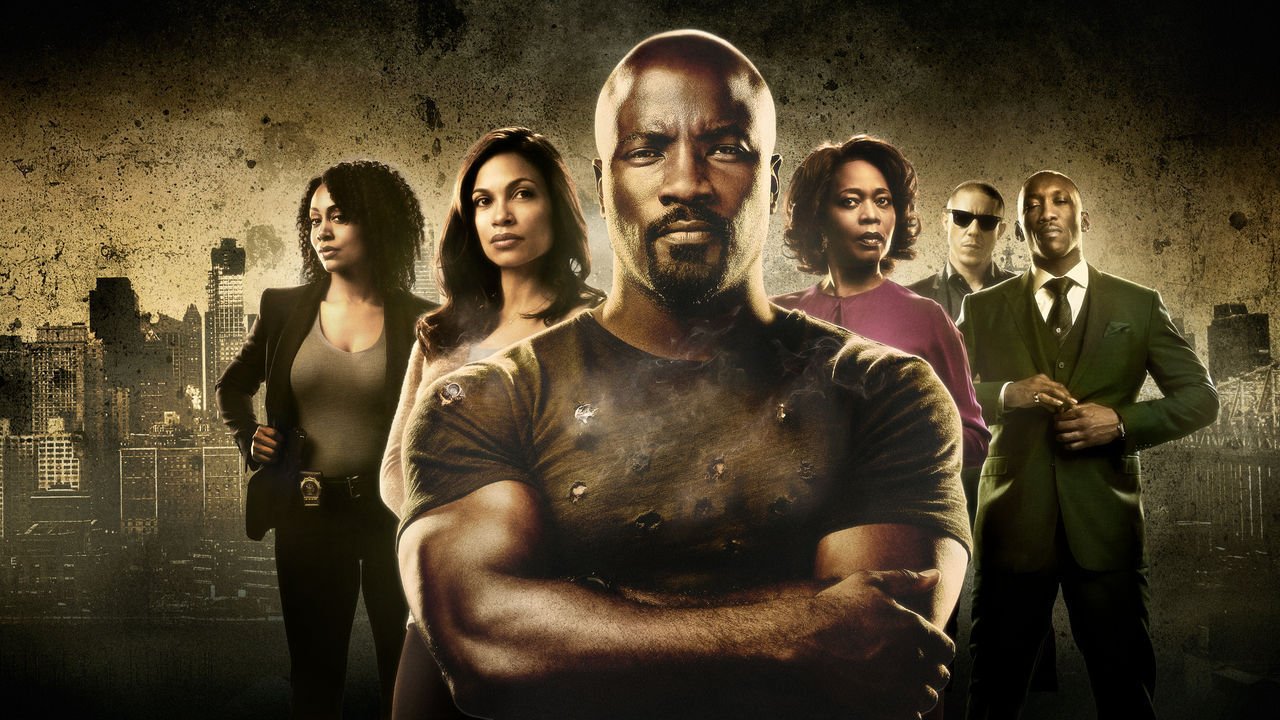
Marvel’s Luke Cage Season 2, released on Netflix in 2018, builds upon the foundation laid by its predecessor, delving deeper into the complexities of heroism in a modern urban landscape. Picking up after the events of The Defenders, the series follows Luke Cage, the bulletproof hero of Harlem, as he navigates fame, personal demons, and escalating threats from new and old adversaries. Showrunner Cheo Hodari Coker crafts a narrative that intertwines superhero action with profound social commentary, making this season a standout in the Marvel Netflix universe. At its core, Marvel’s Luke Cage Season 2 explores how power corrupts, pride blinds, and politics shape community dynamics, all set against the vibrant yet volatile backdrop of Harlem. This article will dissect these themes through plot analysis, character development, and critical reception, offering a comprehensive look at what makes the season resonate years after its premiere.
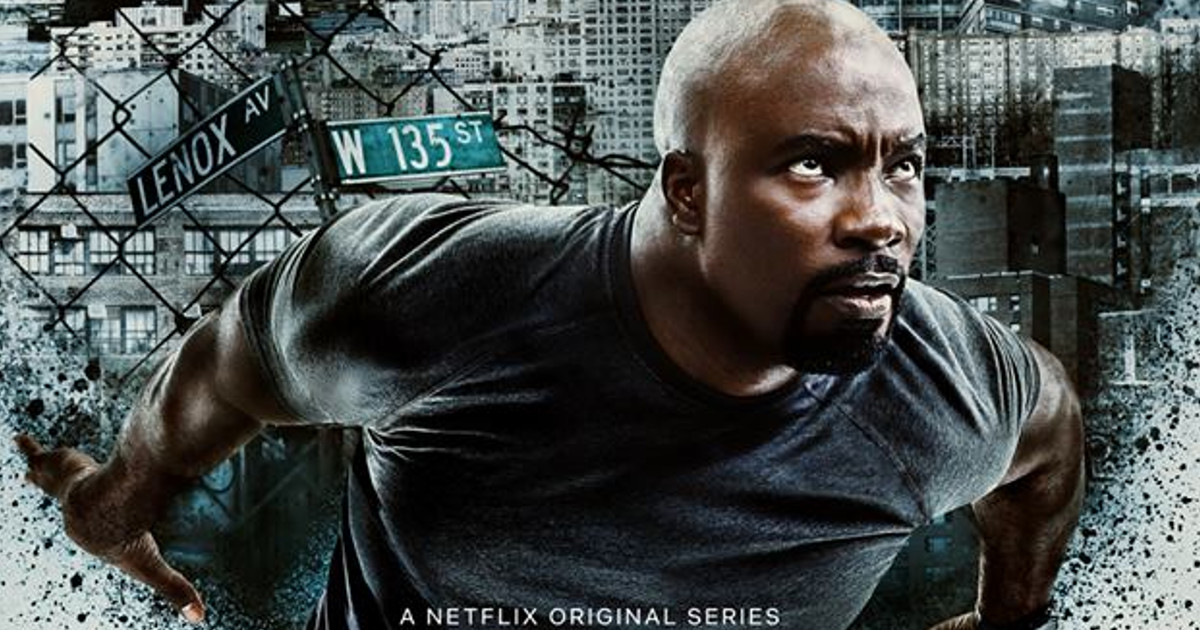
The season’s 13 episodes, each titled after songs by Pete Rock & CL Smooth, emphasize musical heritage, blending hip-hop, reggae, and blues to underscore cultural identity. From live performances at Harlem’s Paradise to the rhythmic pacing of fight scenes, music isn’t just a soundtrack—it’s a character in itself, reflecting the diaspora of Black experiences. As we dive in, it’s clear that Marvel’s Luke Cage Season 2 isn’t merely entertainment; it’s a mirror to societal issues like racial injustice, gentrification, and the burden of Black excellence.
Plot Overview
Marvel’s Luke Cage Season 2 opens with Luke (Mike Colter) embracing his role as Harlem’s celebrated hero, his name cleared and his superhuman strength a symbol of hope. However, fame brings complications: scams exploiting his image and a growing frustration with petty crimes. Detective Misty Knight (Simone Missick), still reeling from losing her arm in The Defenders uncover corruption in the police force, including the release of criminals by her late partner, Rafael Scarfe. Enter Mariah Dillard (Alfre Woodard), now fully entrenched in her criminal empire, partnering with her lover, Shades (Theo Rossi) to legitimize her operations through a “Family First” initiative while secretly dealing in drugs and blackmail.
The central conflict ignites with the arrival of John “Bushmaster” McIver (Mustafa Shakir), a Jamaican gangster with superhuman abilities enhanced by nightshade, seeking vengeance against the Stokes family for historical wrongs, including the burning of his mother’s house. Bushmaster’s campaign of terror—severed heads as warnings, arson, and brutal assassinations—escalates into a gang war, forcing Luke to intervene. Key events include Luke’s injury from a high-powered gun, his team-up with Danny Rand/Iron Fist (Finn Jones) to destroy a nightshade lab, and a church siege where he reconciles with his estranged father, Reverend James Lucas (Reg E. Cathey).
As Mariah spirals into villainy, embracing her “Black Mariah” moniker and selling heroin named after Bushmaster, the season builds to a climactic confrontation at Harlem’s Paradise. Luke brokers peace but inherits the nightclub from Mariah’s will after her death by poisoning at the hands of her daughter, Tilda Johnson (Gabrielle Dennis). The finale sees Luke assuming a “sheriff” role in Harlem, hinting at the corrupting influence of power. This plot arc masterfully balances action with introspection, addressing how unchecked ambition devastates communities.
Character Analysis
Luke Cage: The Reluctant King
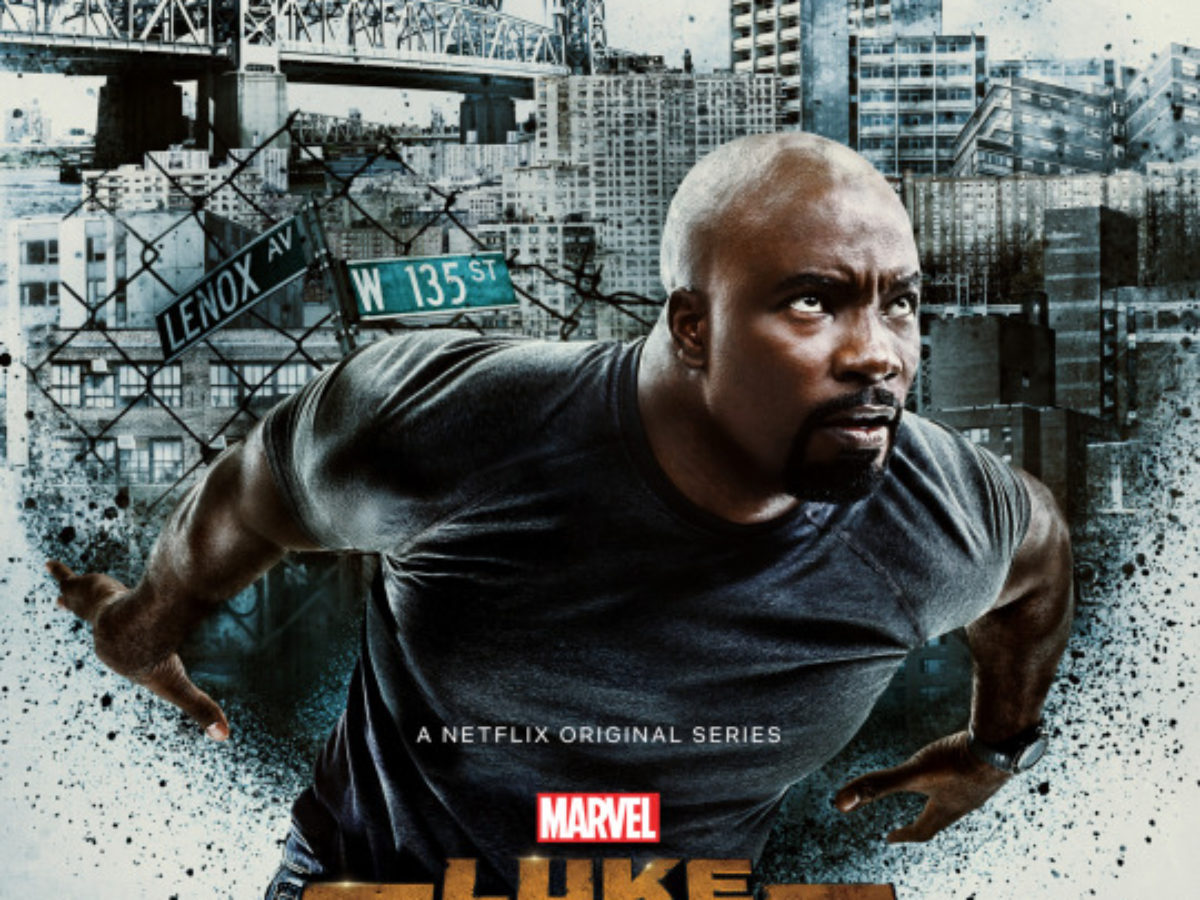
Luke’s arc in Marvel’s Luke Cage Season 2 is a study in evolution from icon to isolator. Starting as a celebrity with an app tracking his heroics, he grapples with anger management, exacerbated by his breakup with Claire Temple (Rosario Dawson). His reconciliation with his father marks a pivotal moment, humanizing the invincible man. By season’s end, owning Harlem’s Paradise positions him as a potential crime lord, subverting his heroic ideals. Colter’s performance captures the weight of Black masculinity under scrutiny, where strength must be tempered with vulnerability.
Mariah Dillard: Pride’s Downfall
Alfre Woodard’s Mariah is the season’s tragic centerpiece, blending political ambition with criminal ruthlessness. Haunted by traumas like her uncle’s rape and abandoning Tilda, she oscillates between legitimacy and vengeance. Her pride in the Stokes legacy drives heinous acts, from murdering associates to igniting a massacre at Gwen’s restaurant. Woodard’s nuanced portrayal elevates Mariah beyond villainy, portraying her as a product of systemic failures.
Bushmaster: Vengeance Incarnate
Mustafa Shakir’s Bushmaster brings a cultural depth, his Jamaican roots and capoeira-style fighting contrasting Luke’s brute force. Motivated by familial pride, his use of nightshade symbolizes the toxic pursuit of power, leading to physical and mental deterioration. As a foil to Luke, he highlights how pride can warp justice into destruction.
Supporting Cast: Layers of Complexity
Misty Knight’s journey from disability to empowerment, aided by a robotic arm, underscores resilience. Shades evolves from loyal henchman to conflicted informant, while Tilda’s herbal expertise ties into themes of legacy and betrayal. Cameos like Danny Rand add MCU connectivity, enriching the ensemble.

The Theme of Power
Power in Marvel’s Luke Cage Season 2 manifests physically and metaphorically. Luke’s invincibility is challenged, revealing that true power lies in control, not just strength. Bushmaster’s nightshade augmentation shows power’s addictive, destructive side, while Mariah’s empire illustrates how economic power corrupts morals. The season critiques absolute power, with Luke’s finale decision echoing “power corrupts absolutely.” In Harlem’s context, power dynamics reflect real-world inequalities, where Black characters navigate systems designed against them.
The interplay of superpowers with street-level politics amplifies this theme. Luke’s celebrity status grants influence but invites exploitation, as seen in merchandise scams. Mariah’s blackmail of businessmen for mergers exposes corporate power’s underbelly. Ultimately, the season posits that sustainable power comes from community, not domination.
The Theme of Pride
Pride fuels many downfalls in the series. Luke’s hubris in his invincibility leads to isolation and rage, straining relationships. Mariah’s familial pride pushes her to extremes, rejecting redemption for legacy. Bushmaster’s pride in his heritage blinds him to collateral damage, making vengeance his undoing. Even Misty’s professional pride challenges her adaptation to change.
The narrative warns against unchecked pride, using flashbacks to Stokes family history to show generational cycles. Pride intersects with identity, particularly Black pride in Harlem’s cultural renaissance, celebrated through music and art. Yet, it cautions that pride without humility leads to tragedy.
The Theme of Politics
Politics permeates the season, from respectability politics to systemic corruption. Mariah’s dual life as a politician and crimelord critiques how Black leaders navigate white-dominated systems. Luke’s heroism addresses Black Lives Matter parallels, with his bulletproof skin symbolizing resilience against police brutality. Gentrification looms as Mariah’s initiatives mask displacement efforts.
Police politics are scrutinized through Misty’s arc and Scarfe’s legacy. The season engages with Trump-era realities, questioning legitimacy and minority progress. By making superheroes political, it challenges viewers to confront uncomfortable truths about race and power.
Production and Reception
Filmed in New York under the title Tiara, the season features a score by Adrian Younge and Ali Shaheed Muhammad, integrating live acts like Rakim and Faith Evans. Critically, it holds an 85% on Rotten Tomatoes, praised for depth but critiqued for pacing. Nominations include Black Reel Awards for Woodard. Despite cancellation in 2018, its legacy endures in discussions of representation.
Conclusion
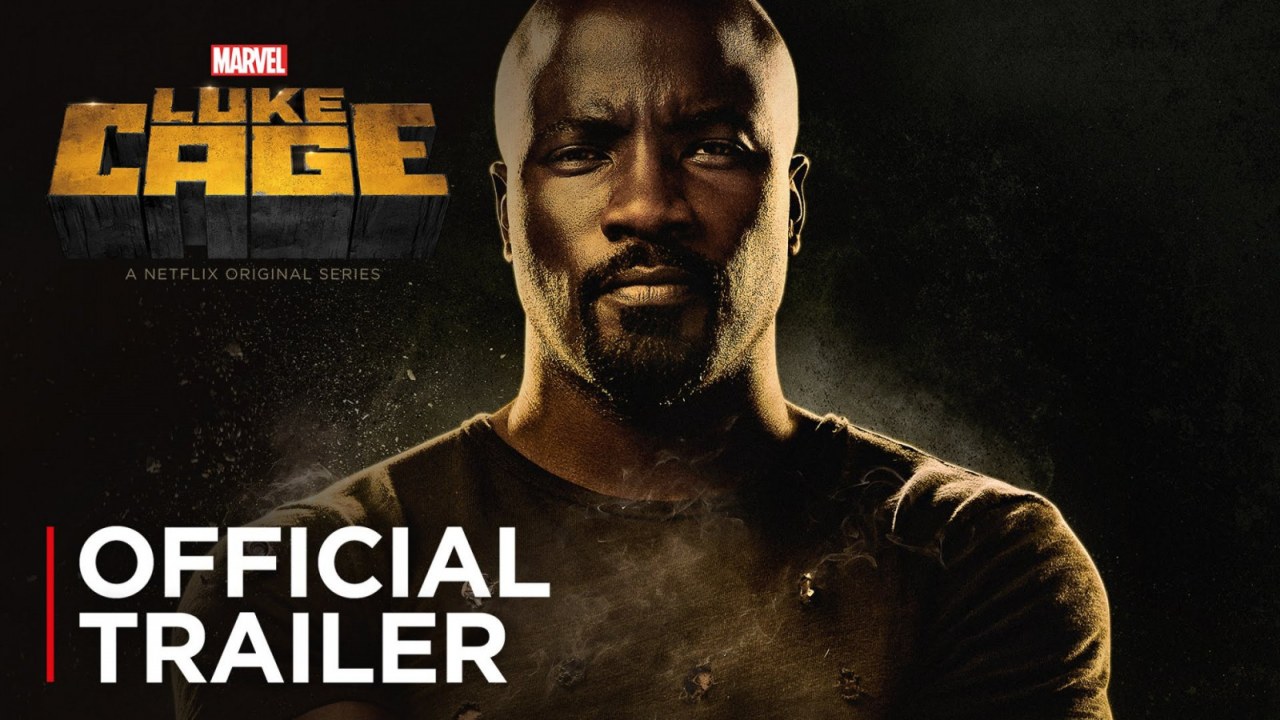
Marvel’s Luke Cage Season 2 masterfully weaves power, pride, and politics into a compelling narrative, elevating the superhero genre. Through rich characters and thematic depth, it offers timeless insights into identity and society. Though canceled, its impact on Marvel’s storytelling remains profound.
FAQ
Q: What is the main plot of Marvel’s Luke Cage Season 2? A: The season follows Luke Cage as he deals with fame in Harlem while facing threats from Mariah Dillard and the vengeful Bushmaster, leading to a gang war and personal reckonings.
Q: Who are the key villains in the season? A: Mariah Dillard and Bushmaster serve as primary antagonists, with Mariah’s criminal empire clashing against Bushmaster’s quest for revenge.
Q: How does the season address themes of power? A: It explores physical superpowers, criminal control, and the corruption that comes with authority, showing how power affects individuals and communities.
Q: What role does music play in the series? A: Music is integral, with episodes named after hip-hop tracks and featuring live performances that enhance cultural and emotional depth.
Q: Why was the show canceled after Season 2? A: Netflix canceled it in October 2018 amid broader changes in Marvel partnerships, despite a positive reception.
Q: Are there crossovers with other Marvel shows? A: Yes, including appearances by Danny Rand/Iron Fist and references to Cloak & Dagger.