Introduction
The Fantastic Four, Marvel’s first family of superheroes, has undergone multiple cinematic interpretations over the years. From the campy charm of the early 2000s films to the gritty reboot in 2015, and now the highly anticipated integration into the Marvel Cinematic Universe (MCU) with “The Fantastic Four: First Steps” released in 2025, each version has brought something unique to the table. This article delves into the Fantastic Four Cast of the latest iteration and compares it to previous versions, highlighting what’s different this time around. With a focus on casting choices, storytelling approaches, visual styles, and overall reception, we’ll explore how the franchise has evolved. The new Fantastic Four Cast brings fresh energy, drawing from a retro-futuristic aesthetic that sets it apart from its predecessors.
The journey began with the 2005 film directed by Tim Story, followed by its 2007 sequel, “Rise of the Silver Surfer.” Then came the 2015 reboot, often criticized for its darker tone. Now, in 2025, under director Matt Shakman, the Fantastic Four Cast includes acclaimed actors like Pedro Pascal and Vanessa Kirby, promising a blend of humor, heart, and high-stakes adventure. This comparison not only examines the actors but also the broader changes in production, themes, and cultural impact.
The 2005-2007 Iteration: A Lighthearted Beginning
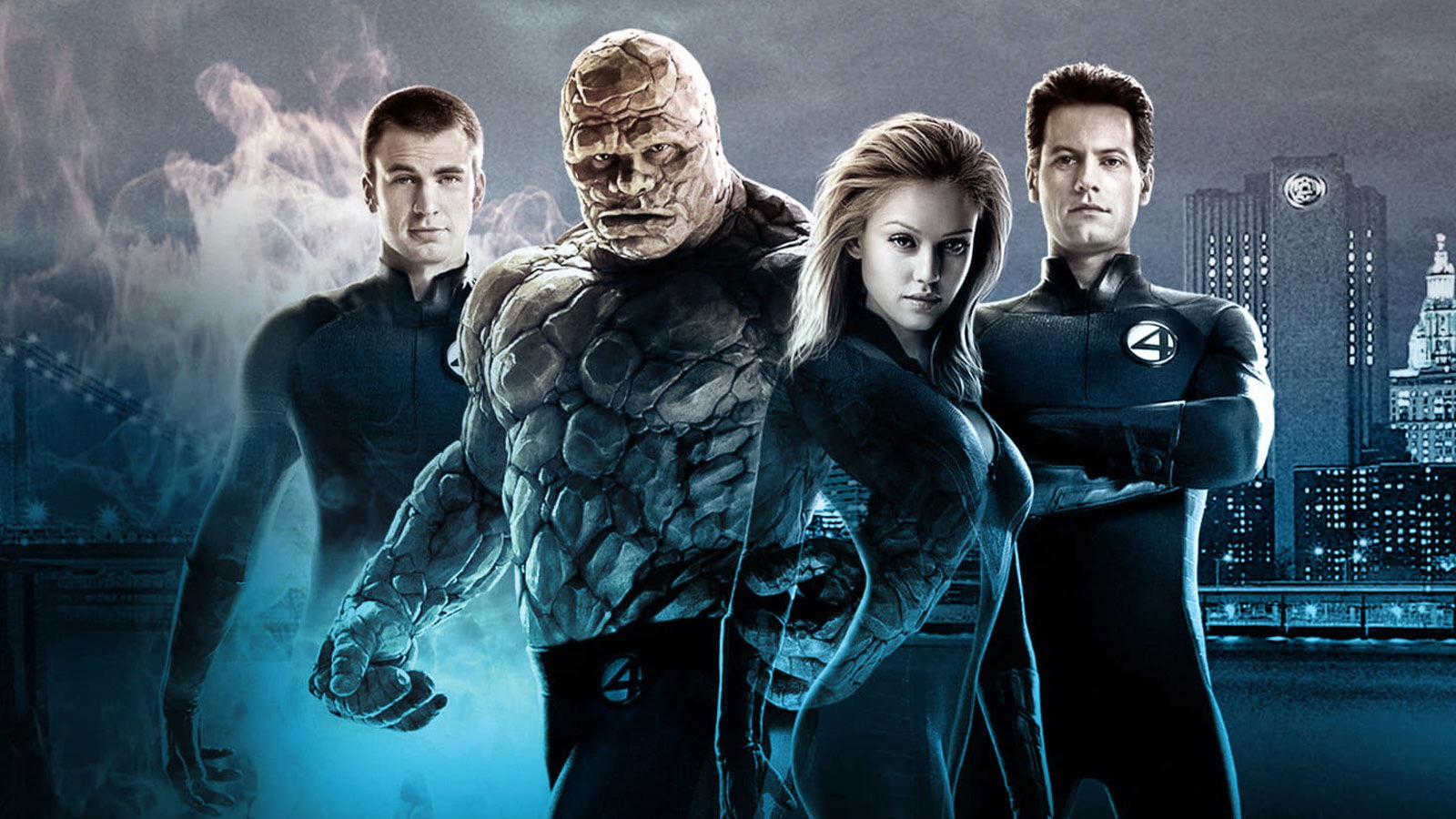
The first major live-action adaptation of the Fantastic Four hit theaters in 2005, introducing audiences to a colorful, family-oriented take on the comic book heroes. The Fantastic Four Cast featured Ioan Gruffudd as the brilliant scientist Reed Richards/Mister Fantastic, Jessica Alba as Sue Storm/Invisible Woman, Chris Evans as the hot-headed Johnny Storm/Human Torch, and Michael Chiklis as the gruff Ben Grimm/The Thing. Julian McMahon rounded out the main ensemble as the villainous Victor Von Doom.
This version emphasized humor and spectacle, with practical effects for The Thing’s rocky appearance and CGI for the other powers. Gruffudd portrayed Reed as a somewhat absent-minded genius, often more focused on science than relationships, which added comedic tension. Alba’s Sue was glamorous and strong-willed, though critics noted the character’s development leaned heavily on her romantic subplot with Reed. Evans, pre-Captain America fame, brought charisma and wit to Johnny, making him a fan favorite with his playful banter. Chiklis, under heavy prosthetics, captured Ben’s tragic yet heroic essence, delivering lines like “It’s clobberin’ time!” with gusto.
The 2007 sequel built on this, introducing the Silver Surfer (voiced by Laurence Fishburne) and Galactus as a cosmic threat. While commercially successful, grossing over $600 million combined, the films were critiqued for their simplistic plots and dated effects. However, they captured the team dynamic well, portraying the group as a dysfunctional family united against odds. This era’s Fantastic Four Cast set a benchmark for superhero ensemble chemistry, influencing later Marvel films.
The 2015 Reboot: A Darker, Grounded Approach
In 2015, 20th Century Fox attempted a reboot with “Fant4stic,” directed by Josh Trank. This version aimed for a more serious, sci-fi horror vibe, drawing from the Ultimate Fantastic Four comics. The Fantastic Four Cast shifted to younger actors: Miles Teller as Reed Richards, Kate Mara as Sue Storm, Michael B. Jordan as Johnny Storm, and Jamie Bell as Ben Grimm. Toby Kebbell played Victor Von Doom, reimagined as a hacker-like antagonist.
Teller’s Reed was portrayed as a prodigious inventor from a young age, emphasizing his isolation and intellect. Mara’s Sue brought intelligence and agency, though the film was accused of underutilizing her. Jordan’s Johnny added diversity to the team, as Sue’s adopted brother, and his performance infused energy into the otherwise somber tone. Bell’s Ben, transformed via motion capture, highlighted the horror of his mutation, making The Thing’s plight more poignant.
Production troubles plagued the film, including reshoots and creative differences, resulting in a disjointed narrative. Critics panned it for its bleak atmosphere, lack of humor, and rushed third act, leading to a box office disappointment. Despite this, the cast’s chemistry shone in moments, and the film’s attempt at realism marked a departure from the 2005 version’s levity. This reboot’s Fantastic Four Cast represented a push for modernity, but it ultimately failed to resonate with audiences seeking the comic’s adventurous spirit.
The 2025 MCU Version: Retro-Futurism and Star Power
Fast-forward to 2025, and Marvel Studios has finally brought the Fantastic Four into the MCU with “The Fantastic Four: First Steps.” Set in a 1960s-inspired retro-futuristic world, this film reimagines the origin story with a vibrant, optimistic lens. The new Fantastic Four Cast stars Pedro Pascal as Reed Richards/Mister Fantastic, Vanessa Kirby as Sue Storm/Invisible Woman, Joseph Quinn as Johnny Storm/Human Torch, and Ebon Moss-Bachrach as Ben Grimm/The Thing. Supporting roles include Julia Garner as Shalla-Bal/Silver Surfer, Ralph Ineson as Galactus, and Paul Walter Hauser as Mole Man.
Pascal, known for his roles in “The Mandalorian” and “The Last of Us,” brings gravitas and warmth to Reed, portraying him as a visionary leader with emotional depth. Kirby, an Oscar nominee for “Pieces of a Woman,” elevates Sue to a multifaceted character—scientist, mother figure, and powerhouse—avoiding past tropes.
Quinn, fresh from “Stranger Things,” captures Johnny’s fiery personality with modern flair, while Moss-Bachrach (“The Bear”) infuses Ben with humor and pathos, using advanced motion capture for a more expressive Thing.
Directed by Matt Shakman (“WandaVision”), the film emphasizes family bonds and exploration, with cosmic threats like Galactus adding scale. Released on July 25, 2025, it received positive reviews, praising the visuals and performances, with an IMDb rating of 6.8 and a focus on revitalizing the franchise.
Key Differences in Casting
One of the most striking differences lies in the Fantastic Four Cast selections across eras. The 2005 cast leaned on rising stars like Evans and established actors like Chiklis, prioritizing likability. The 2015 version opted for youth and diversity, with Jordan’s casting as Johnny sparking discussions on representation but also controversy over comic accuracy.
In contrast, the 2025 Fantastic Four Cast features seasoned performers with proven track records in drama and comedy. Pascal’s age (around 50) aligns more closely with comic Reed’s maturity, unlike the younger Teller or Gruffudd. Kirby’s British elegance adds sophistication to Sue, differing from Alba’s Hollywood glamour or Mara’s understated approach. Quinn’s Johnny is edgier than Evans’ cocky version or Jordan’s intense one, while Moss-Bachrach’s Ben emphasizes vulnerability over Chiklis’ toughness or Bell’s tragedy.
Diversity has evolved: the 2015 film introduced racial diversity in the Storm siblings, while the 2025 version maintains inclusivity through casting and story, including Garner’s female Silver Surfer. These choices reflect changing industry standards, making the new cast feel more authentic to a global audience.
Storytelling and Themes: From Camp to Cosmic
Narrative styles vary significantly. The 2005 films were straightforward origin tales with villain-of-the-week structures, focusing on team formation and light-hearted conflicts. The 2015 reboot attempted body horror and interpersonal drama but faltered in execution, rushing the superhero elements.
The 2025 film stands out with its retro setting, blending 1960s optimism with futuristic tech. It explores themes of legacy, family, and discovery, tying into the MCU’s multiverse saga. Unlike previous versions, it introduces Galactus early, escalating stakes, and connecting to broader Marvel lore. Humor is balanced with emotional depth, avoiding the 2015 gloom while updating the 2005 cheesiness.
Visuals and Effects: Technological Evolution
Visual effects have advanced dramatically. The 2005 films used practical suits for The Thing and basic CGI for flames and stretching, which look dated today. The 2015 version employed motion capture for improved realism but suffered from a muted color palette.
The 2025 MCU entry leverages cutting-edge VFX, with vibrant retro designs and seamless power integrations. The cosmic elements, like the Silver Surfer’s board and Galactus’ world-devouring presence, benefit from Disney’s resources, creating a visually stunning experience that critics hailed as a highlight.
Reception and Impact: Lessons Learned
Reception mirrors these changes. The 2005-2007 films were box office hits but critically mixed, praised for fun but faulted for shallowness. The 2015 flop, with a 9% Rotten Tomatoes score, halted franchise plans. The 2025 film, however, has been lauded for capturing the comics’ essence, with strong performances driving its success and setting up future MCU crossovers.
This evolution shows Hollywood’s learning curve: balancing fidelity to source material with innovation. The new Fantastic Four Cast and direction signal a promising future for Marvel’s first family.
Conclusion
In comparing the Fantastic Four Cast vs previous versions, it’s clear what’s different this time: a mature, star-studded ensemble, a unique retro aesthetic, and integration into a larger universe. While honoring past efforts, the 2025 version reinvents the team for modern viewers, proving the Fantastic Four’s enduring appeal.
FAQ
Who makes up the new Fantastic Four Cast in the 2025 MCU film?
The 2025 cast includes Pedro Pascal as Reed Richards, Vanessa Kirby as Sue Storm, Joseph Quinn as Johnny Storm, and Ebon Moss-Bachrach as Ben Grimm.
How does the 2025 version differ from the 2005 films in tone?
The 2005 films were light and comedic, while the 2025 entry blends humor with emotional depth in a retro-futuristic setting.
Why was the 2015 reboot considered a failure?
It suffered from production issues, a dark tone that clashed with the source material, and poor critical reception.
What new villains are introduced in the 2025 movie?
Key antagonists include Galactus (Ralph Ineson) and a female Silver Surfer (Julia Garner), diverging from previous foes like Doctor Doom.
Is the 2025 Fantastic Four connected to other MCU movies?
Yes, it’s part of Phase Six, with potential crossovers in future Avengers films.
How has diversity improved across the Fantastic Four adaptations?
From the all-white 2005 cast to the diverse Storm family in 2015, and inclusive roles in 2025, representation has progressively increased.