Introduction
The Marvel Disney+ Binge Model has become a hot topic in the streaming world, sparking debates among fans and industry experts alike. As Disney+ continues to expand its Marvel Cinematic Universe (MCU) content, the choice between releasing episodes weekly or dropping an entire season at once—often referred to as the binge model—has significant implications for viewer engagement, storytelling, and business strategy. This article explores the pros and cons of each approach, drawing from Marvel’s experiences on Disney+. With shows like WandaVision pioneering the weekly format and more recent series like Echo experimenting with full-season drops, the Marvel Disney+ Binge Model represents a dynamic evolution in how superhero stories are delivered to audiences. By examining historical context, viewer preferences, and data-driven outcomes, we’ll delve into why Disney has leaned toward one model over the other and what the future might hold.
The Evolution of Streaming Release Models
Streaming services revolutionized television consumption when Netflix popularized the full-season drop in the early 2010s. This binge model allowed viewers to watch entire seasons in one sitting, eliminating the wait times associated with traditional broadcast TV. Marvel’s earlier partnerships with Netflix, such as Daredevil and Jessica Jones, thrived under this format, enabling fans to immerse themselves in gritty, interconnected narratives without interruption. However, when Disney launched Disney+ in 2019, it adopted a different strategy. Influenced by the success of weekly releases in traditional media and the need to build long-term subscriber retention, Disney+ opted for episodic drops. This shift marked the beginning of the Marvel Disney+ Binge Model debate, as it contrasted sharply with Netflix’s all-at-once approach.
The weekly model harkens back to network TV, where anticipation built over time, fostering water-cooler discussions and sustained buzz. Disney’s executives argued that this format keeps viewers subscribed longer, as they return week after week. In contrast, the binge model caters to instant gratification, appealing to busy audiences who prefer controlling their viewing pace. Over time, other platforms like Hulu (also Disney-owned) and Amazon Prime Video have experimented with hybrids, releasing a few episodes upfront followed by weekly installments. For Marvel, this evolution reflects a balancing act between creative storytelling and commercial viability.
Marvel’s Shift to Disney+: Embracing the Weekly Model
When Disney+ debuted, Marvel’s series like The Mandalorian (though Star Wars, it set a precedent) and WandaVision were released weekly, generating immense hype. WandaVision, premiering in 2021, became a cultural phenomenon partly due to its episodic rollout. Each Friday drop sparked theories and memes across social media, extending the show’s lifespan beyond its nine episodes. Similarly, Loki and The Falcon and the Winter Soldier followed suit, maintaining viewer interest over several weeks.
This approach aligns with Marvel’s cinematic roots, where films build anticipation through trailers and marketing. Weekly releases allow for cliffhangers that mirror comic book serialization, encouraging ongoing engagement. Disney’s data showed that weekly drops led to higher completion rates and reduced churn, as subscribers stayed active to avoid spoilers. By contrast, the Marvel Disney+ Binge Model—full drops— was initially avoided to differentiate from Netflix’s MCU shows, which had mixed success with binging due to pacing issues in longer seasons.
The Case for Weekly Episodes
One of the strongest arguments for weekly episodes in the Marvel Disney+ Binge Model is the cultivation of community and conversation. Shows like The Mandalorian topped Nielsen ratings as the first non-Netflix series to do so, thanks to sustained weekly buzz. Fans dissect episodes on platforms like Reddit and X (formerly Twitter), theorizing about Easter eggs and plot twists. This social aspect amplifies marketing, turning viewers into free promoters.
Weekly releases also benefit storytelling. Creators can build tension through episodic arcs, ensuring each installment ends on a high note. For Marvel, this means deeper character development and world-building, as seen in Ms. Marvel, where cultural themes unfolded gradually. Economically, it extends subscription revenue; a six-episode series keeps users paying for at least six weeks, compared to a binge that might be consumed in a weekend. Moreover, it combats spoiler culture by syncing global viewership, reducing the risk of premature reveals.
Drawbacks of Weekly Episodes
Despite its advantages, the weekly model isn’t without flaws. Many viewers, accustomed to Netflix’s flexibility, find the wait frustrating. In a fast-paced world, waiting a week for a resolution can lead to lost momentum or forgotten plot details. For international audiences, time zones and scheduling add inconvenience, potentially driving piracy.
Critics argue it feels regressive, harking back to cable TV’s rigidity. Some Marvel shows, like What If?, with shorter, anthology-style episodes, might not warrant the drawn-out release, leading to viewer fatigue. Data from Hulu experiments shows that hybrid models (initial multi-episode drops) sometimes outperform pure weekly ones in retention. In the context of the Marvel Disney+ Binge Model, weekly releases can also be overwhelming with too many ongoing series, diluting focus.
The Appeal of Full-Season Drops
Full-season drops, or the true binge model, offer unparalleled convenience. Viewers can marathon at their leisure, ideal for busy schedules or re-watches. Marvel’s Netflix era demonstrated this: Stranger Things-style binges (though not Marvel) build intense, immediate fandom. For shorter MCU series, like Echo‘s five episodes, dropping all at once allows for a cohesive narrative experience without artificial pauses.
This model suits experimental or niche content, where building week-to-week hype might not be feasible. It also enables global simultaneous access, fostering inclusive viewing parties. Creatively, it empowers directors to craft seamless stories, as with Echo, which explored mature themes in a single, uninterrupted arc.
Challenges with Binge Releases
However, binge releases have downsides. The buzz is often short-lived; a show peaks in the first few days then fades, as seen with some Netflix originals. Spoilers proliferate rapidly, alienating slower viewers. For Marvel, interconnected universes risk confusion if fans binge out of order.
Economically, it may encourage “binge-and-cancel” behavior, where users subscribe briefly to consume content then leave. Production-wise, ensuring every episode is binge-worthy without filler is challenging, leading to uneven pacing in longer seasons.
Marvel’s Experiments with Binge Releases
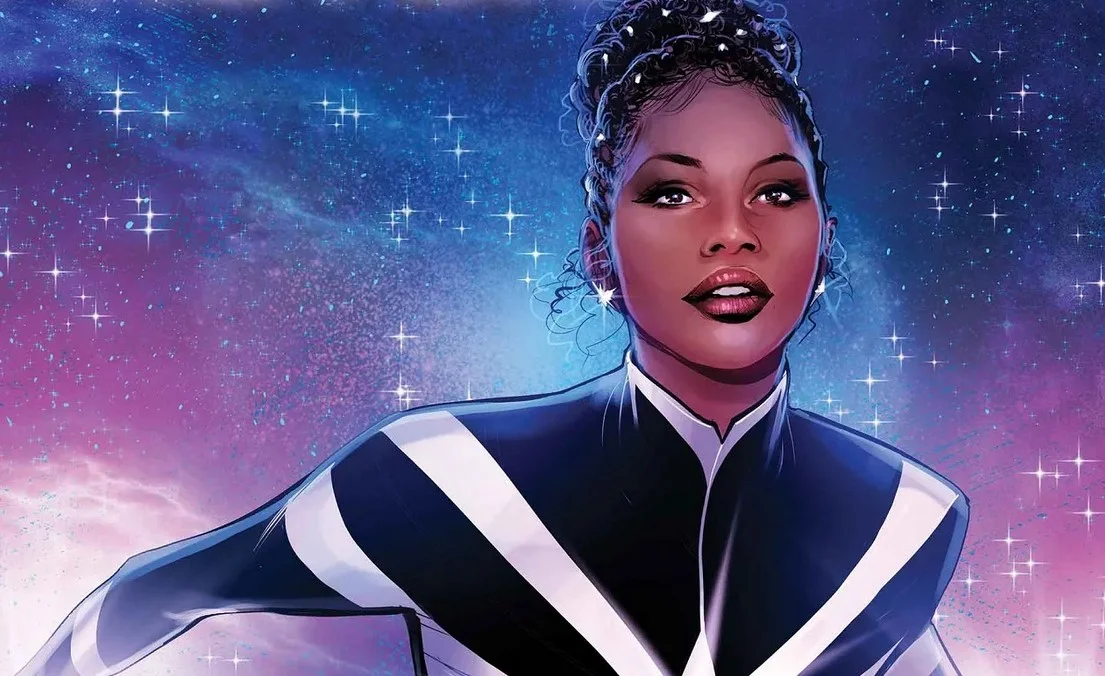
Marvel has increasingly tested the binge waters. Echo, released in January 2024, was the first live-action MCU series to drop all episodes simultaneously, aiming to attract a broader audience with its gritty, TV-MA rating. Animated series like Eyes of Wakanda and Marvel Zombies followed suit. Most recently, Wonder Man debuted all episodes on January 27, 2026, marking the fourth binge release and signaling a hybrid future for the Marvel Disney+ Binge Model. These experiments suggest Disney is using data to tailor releases: weekly for tentpole series, binge for standalone or shorter ones.
Impact on Viewership and Engagement
Data underscores the divide. Weekly shows like Loki sustained top streaming ranks for months, while binge drops like Echo saw quick spikes but faster drop-offs. Nielsen reports highlight that eight of the top ten streamed shows in recent years were weekly releases across platforms. For Marvel, this means weekly fosters loyalty in the MCU’s expansive fanbase, but binges appeal to casual viewers. Social media engagement is higher with weekly, as theories and discussions persist longer.
Future of the Marvel Disney+ Binge Model
As streaming matures, Marvel may adopt more flexible models. With competition from Prime Video and Max, hybrids could prevail—perhaps two episodes weekly or variable based on series length. The Marvel Disney+ Binge Model will likely evolve with viewer feedback, balancing innovation and tradition.
Conclusion
The Marvel Disney+ Binge Model encapsulates the tension between instant access and sustained excitement. While weekly episodes have driven MCU success on Disney+, full-season drops offer fresh possibilities for storytelling. Ultimately, the best model depends on the show, audience, and goals—ensuring Marvel’s heroes continue captivating fans in whatever format they arrive.
FAQ
What is the Marvel Disney+ Binge Model?
The Marvel Disney+ Binge Model refers to the strategy of releasing full seasons of MCU shows at once, contrasting with weekly episodes. It draws from Netflix’s approach but has been selectively used by Disney+ for certain series.
Why does Disney+ mostly use weekly releases for Marvel shows?
Weekly releases build anticipation, encourage discussions, and extend subscriber retention, as seen with hits like WandaVision and Loki.
Which Marvel shows have used the full-season drop?
Notable examples include Echo (2024), Eyes of Wakanda, Marvel Zombies, and Wonder Man (2026).
What are the pros of binge-watching Marvel series?
It provides instant gratification, allows pacing control, and suits shorter, cohesive narratives without weekly waits.
What are the cons of weekly episodes?
Viewers may find the delays frustrating, leading to potential spoilers or loss of interest over time.
Will Marvel switch entirely to binge releases?
Unlikely; Disney+ seems committed to a hybrid approach, using binges for experimental shows and weekly for major ones.
How does the release model affect spoilers?
Weekly syncs viewing, reducing widespread spoilers, while binges can lead to quick, intense spoiler exposure.
Is there data showing which model is better?
Weekly releases often sustain higher long-term engagement, per Nielsen, but binges excel in immediate viewership spikes.