Introduction
In the vast expanse of science fiction literature, few genres capture the human imagination quite like space adventure. From the pioneering works of Jules Verne and H.G. Wells to modern epics like Arthur C. Clarke’s 2001: A Space Odyssey, space adventures have thrilled readers with tales of exploration, danger, and discovery. Enter Project Hail Mary, Andy Weir’s 2021 novel that has taken the literary world by storm. Project Hail Mary doesn’t just retread familiar paths; it reinvents the space adventure genre by blending hard science with heartfelt emotion, creating a narrative that’s as intellectually stimulating as it is emotionally resonant. This article explores how Project Hail Mary pushes boundaries, offering fresh perspectives on isolation, collaboration, and the unknown. Through its innovative approach, Weir’s book stands as a beacon for future space stories, proving that the genre can evolve while staying true to its roots.
At its core, Project Hail Mary follows Ryland Grace, a reluctant astronaut who wakes up alone on a spacecraft with amnesia, tasked with saving humanity from an existential threat. The story’s premise echoes classics like The Martian, also by Weir, but elevates it with interstellar stakes and alien encounters. What sets Project Hail Mary apart is its commitment to reinventing tropes: instead of heroic spacefarers battling villains, we get a science teacher turned savior grappling with physics puzzles and profound loneliness. This shift from action-packed derring-do to cerebral problem-solving marks a significant reinvention, making space adventure accessible to readers who crave realism over fantasy.
Scientific Accuracy: Grounding Fantasy in Real Physics
One of the most groundbreaking aspects of Project Hail Mary is its unwavering dedication to scientific plausibility. Unlike many space adventures that rely on warp drives or unexplained technologies, Weir’s novel is steeped in actual science. Concepts like astrophage—a fictional microorganism that dims the sun—are explained through rigorous, step-by-step reasoning that feels ripped from a physics textbook. This “hard sci-fi” approach reinvents the genre by demanding readers engage with real-world principles, such as relativity, thermodynamics, and xenobiology.
For instance, Grace’s experiments with alien life forms involve detailed calculations of gravity, velocity, and chemical reactions. Weir, a former software engineer, consulted experts to ensure accuracy, turning what could be dry exposition into thrilling revelations. This reinvention contrasts with softer space operas like Star Wars, where science serves the plot rather than driving it. In Project Hail Mary, science is the adventure, empowering readers to feel like participants in the discovery process. Critics have praised this element, noting how it educates without lecturing, making complex ideas digestible through Grace’s witty inner monologue.
Moreover, Project Hail Mary incorporates cutting-edge ideas like microbial propulsion systems and interstellar communication via sound waves, drawing from contemporary research in astrobiology. By doing so, it reinvents space adventure as a bridge between fiction and reality, inspiring a new generation of STEM enthusiasts. The novel’s success—selling millions and spawning a film adaptation—underscores how this scientific rigor can captivate mainstream audiences, proving that authenticity enhances rather than hinders excitement.
Character-Driven Narrative: Beyond the Lone Hero Archetype
Traditional space adventures often feature stoic heroes conquering the cosmos single-handedly, but Project Hail Mary reinvents this by delving deep into character psychology and relationships. Ryland Grace isn’t a flawless protagonist; he’s a flawed, humorous everyman whose journey is as much about personal growth as planetary salvation. His amnesia-forced flashbacks reveal a backstory of regret and redemption, adding layers absent in many genre staples.
What truly innovates here is the emphasis on interstellar friendship. Grace’s alliance with Rocky, an alien from Eridani, transforms the story from solitary survival to collaborative triumph. Their bond, built on makeshift communication and mutual respect, subverts the “us vs. them” alien trope seen in works like Independence Day. Instead, Project Hail Mary portrays extraterrestrials as complex beings with their own cultures and fears, fostering themes of empathy across species. This reinvention humanizes the genre, shifting focus from conflict to cooperation, which feels refreshingly modern in an era of global challenges.
Grace’s voice—sarcastic, self-deprecating, and relatable—further reinvents narration. Unlike the omniscient perspectives in classics like Dune, Weir uses first-person stream-of-consciousness to immerse readers in Grace’s mind. This intimacy makes the vastness of space feel personal, heightening emotional stakes. As Grace confronts isolation, readers ponder their own connections, making Project Hail Mary a profound meditation on humanity’s place in the universe.
Plot Innovations: Twists That Defy Expectations
The plot of Project Hail Mary is a masterclass in reinvention, weaving unexpected twists with meticulous pacing. Starting with Grace’s awakening, the narrative unfolds through problem-solving sequences that build tension organically. Each chapter escalates the mystery: Why is the sun dimming? How can one man avert catastrophe? These questions drive a plot that’s puzzle-like, reminiscent of detective stories but set against cosmic backdrops.
Weir reinvents pacing by alternating high-stakes action with introspective moments. Flashbacks to Earth-based preparations provide context without slowing momentum, revealing a global effort that contrasts with Grace’s solitude. This structure avoids the linear quests of traditional space adventures, opting for a non-linear timeline that mirrors memory’s fragmentation. The result is a gripping read that keeps readers guessing, with revelations about the astrophage threat feeling earned rather than contrived.
Furthermore, Project Hail Mary innovates by incorporating humor as a survival tool. Grace’s quips during dire situations lighten the mood, reinventing the genre’s often grim tone. This blend of levity and gravity echoes Weir’s style in The Martian but expands it to interstellar scales, making the adventure feel optimistic. The climax, involving sacrificial choices and scientific breakthroughs, delivers emotional payoff that redefines what a space epic can achieve— not just spectacle, but soul-stirring resolution.
Thematic Depth: Exploring Isolation, Hope, and Unity
At its heart, Project Hail Mary reinvents space adventure through rich thematic exploration. Isolation is a central motif, amplified by Grace’s lone voyage, but Weir uses it to highlight hope’s resilience. Unlike dystopian tales where space breeds despair, this novel posits that adversity fosters innovation and connection. The theme of unity—humanity banding together against a common foe—mirrors real-world issues like climate change, making the story timely.
Weir also delves into ethical dilemmas, such as the morality of genetic engineering and first contact protocols, adding philosophical depth. This reinvention elevates the genre from escapism to commentary, encouraging readers to reflect on science’s role in society. Project Hail Mary champions curiosity over conquest, portraying space as a realm for learning rather than domination.
Environmental themes further innovate, with the astrophage symbolizing unchecked consumption. By framing space adventure as a cautionary tale with redemptive arcs, Weir inspires optimism. The novel’s message—that collaboration transcends boundaries—resonates deeply, reinventing the genre as a vehicle for positive change.
Conclusion: A Lasting Legacy in Space Literature
Project Hail Mary stands as a pivotal work that reinvents the space adventure genre for the 21st century. By prioritizing scientific accuracy, character depth, innovative plotting, and profound themes, Andy Weir has crafted a story that’s both entertaining and enlightening. It challenges conventions, proving that space adventures can be intellectually rigorous yet universally appealing. As adaptations loom and imitators emerge, Project Hail Mary‘s influence will endure, guiding future narratives toward greater realism and empathy. In a genre often looking to the stars for wonder, this novel reminds us that the true adventure lies in the human spirit.
FAQ: Common Questions About Project Hail Mary and Its Impact on the Space Adventure Genre
What is Project Hail Mary about?
Project Hail Mary is a science fiction novel by Andy Weir, following Ryland Grace, a schoolteacher turned astronaut, who must solve an interstellar crisis to save Earth from a dimming sun caused by alien microorganisms. It’s a tale of survival, science, and unexpected alliances.
How does Project Hail Mary differ from Andy Weir’s previous work, The Martian?
While both feature lone protagonists using science to survive, Project Hail Mary expands to interstellar travel and alien contact, adding emotional depth through friendships and flashbacks. It reinvents Weir’s formula with broader cosmic stakes and humor-infused introspection.
Is Project Hail Mary based on real science?
Yes, largely. Weir incorporates accurate physics, biology, and astronomy, consulting experts for plausibility. Fictional elements like astrophage are grounded in real concepts, making it “hard sci-fi” that educates readers on topics like relativity and xenobiology.
Why is Project Hail Mary considered a reinvention of the space adventure genre?
It shifts from action-hero tropes to cerebral problem-solving and empathetic alien interactions, blending hard science with emotional narratives. This makes space stories more relatable and thoughtful, moving beyond traditional conquest themes.
Is there a movie adaptation of Project Hail Mary?
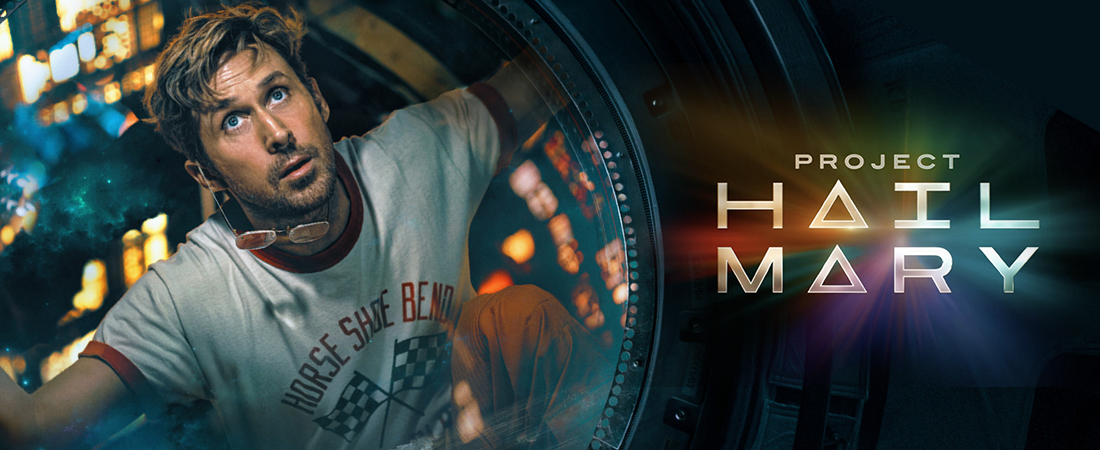
Yes, a film directed by Phil Lord and Christopher Miller, starring Ryan Gosling as Ryland Grace, is in development. It aims to capture the novel’s mix of science, humor, and heart.
Who should read Project Hail Mary?
Fans of science fiction, especially those who enjoy realistic, puzzle-driven plots like in The Martian or Contact. It’s accessible to non-experts but rewarding for STEM enthusiasts.
What themes does Project Hail Mary explore?
Key themes include isolation, hope, scientific ethics, interstellar cooperation, and humanity’s resilience. It uses space as a metaphor for personal and global challenges.
How long is Project Hail Mary, and is it suitable for all ages?
The book is around 496 pages. It’s generally suitable for teens and adults, with mild language and complex science, but no graphic violence or explicit content.
Has Project Hail Mary won any awards?
It was a Goodreads Choice Award winner for Best Science Fiction in 2021 and has been nominated for Hugo and Locus Awards, praised for its innovative storytelling.
Where can I buy or read Project Hail Mary?
It’s available on major platforms like Amazon, Barnes & Noble, or Audible for audiobooks. Libraries often carry it, and digital versions are on Kindle or Apple Books.