
Introduction
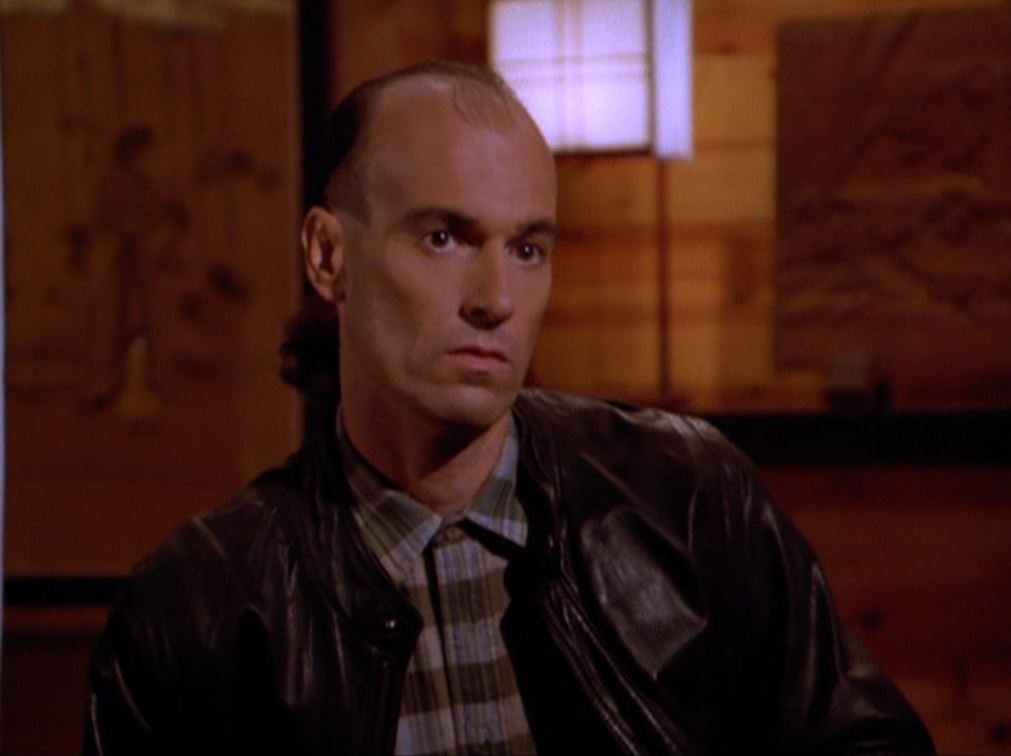
Steven Lambert was a legendary figure in the world of Hollywood stunts, martial arts, and action cinema. Born on October 28, 1954, in Brooklyn, New York, he rose from humble beginnings to become one of the most respected stunt coordinators, performers, and actors in the industry. His career spanned over four decades, during which he contributed to iconic films like Indiana Jones and the Last Crusade, Total Recall, and Titanic. Steven Lambert’s journey was marked by incredible athleticism, dedication to martial arts, and a passion for storytelling through high-risk action sequences. Sadly, Steven Lambert passed away on August 18, 2023, at the age of 68, leaving behind a legacy that continues to inspire aspiring stunt performers and filmmakers alike. This article delves into every aspect of his life, from his early years to his professional triumphs, providing a comprehensive overview of this multifaceted talent.
Steven Lambert’s influence extended beyond mere physical feats; he was also a mentor, writer, and advocate for authentic stunt work in an era increasingly dominated by CGI. His autobiography, From the Streets of Brooklyn to the Halls of Hollywood, offers an intimate look at his experiences, painting vivid pictures of his challenges and victories. Whether doubling for stars like James Woods or choreographing intense fight scenes, Steven Lambert embodied the spirit of old-school Hollywood grit. In the following sections, we’ll explore his background, career milestones, and lasting impact.
Early Life and Background
Growing up in the tough streets of Brooklyn during the 1950s and 1960s, Steven Lambert faced the realities of urban life head-on. Born into a working-class family, he navigated a childhood filled with the vibrancy and hardships of New York City. From a young age, Lambert showed remarkable athletic prowess. In sixth grade, he won the prestigious John F. Kennedy Award for physical fitness, a testament to his early dedication to health and strength. This recognition hinted at the physical talents that would later define his career.
Brooklyn’s environment was not always kind; it was a place where survival often required resilience and quick thinking. Steven Lambert often reflected on how these formative years shaped his worldview, teaching him the value of hard work and perseverance. He described his upbringing as a journey of self-discovery, where he learned to channel his energy into positive outlets rather than succumbing to the streets’ temptations. This period laid the foundation for his later success, instilling in him a fighter’s mentality that would prove invaluable in Hollywood.
As a child, Lambert was drawn to stories of heroes and adventurers, perhaps influenced by the era’s popular media. His early exposure to films and television sparked an interest in performance, though he couldn’t have imagined the path it would take. Family life, while supportive in its own way, emphasized practicality, pushing him toward activities that built character and discipline.
Entry into Martial Arts
Martial arts became Steven Lambert’s salvation and passion during his youth. He fell in love with the discipline as a child, finding in it a sense of belonging and purpose that had previously eluded him. For the first time, people noticed his natural talents and offered guidance, transforming martial arts into what he called his “secure home.” This practice provided direction, enjoyment, confidence, and self-belief, all achieved through rigorous effort.
Lambert’s training was intense and transformative. He competed in tournaments, notably placing second in the Black Karate Federation (BKF) in weapons, fighting, and kata categories. This achievement caught the eye of casting agents, marking the beginning of his transition from athlete to professional performer. Martial arts not only honed his physical skills but also taught him mental fortitude—respecting fear while controlling it to overcome obstacles.
Throughout his life, Steven Lambert credited martial arts with saving him from potential pitfalls. It instilled a philosophy of continuous improvement and humility, qualities that shone through in his professional endeavors. Even in his later years, he lamented how age affected his abilities but remained proud of the foundation it built.
Breaking into Hollywood
Steven Lambert’s entry into Hollywood was serendipitous yet earned through talent. After his standout performance at the BKF tournament, he was offered a stunt role in Good Guys Wear Black (1978), fighting alongside Chuck Norris in the actor’s first starring role. Paid $500 for one day’s work—more than his weekly job salary at the time—this opportunity was a game-changer. Despite lacking knowledge of film basics like hitting marks or camera cues, Norris’s patience fostered a lasting friendship.
This debut opened doors to a prolific career. Lambert quickly became known for his reliability and skill, landing roles in action-packed films of the 1980s. His work in Revenge of the Ninja (1983) and American Ninja (1985) showcased his martial arts expertise, establishing him as a go-to stuntman for high-octane sequences. He cherished the creative freedom on low-budget Cannon productions under Menahem Golan, contrasting it with the stricter oversight of big-studio films.
Lambert’s big break came with doubling for major stars. He served as James Woods’ stunt double for over 25 years, starting with Best Seller (1987), where he taught Woods fight techniques and built a brotherly bond. Similar roles followed, including doubling River Phoenix in Indiana Jones and the Last Crusade (1989) and Jason Statham in The One (2001).
Notable Stunt Work and Films
Steven Lambert’s stunt resume reads like a who’s who of blockbuster action. He performed groundbreaking feats, such as being the first stuntman to work on the Statue of Liberty. In Remo Williams: The Adventure Begins (1985), his high-work stunts earned him a Stunt Award for Best High Work. He also won for Best Fight Sequence in another project, highlighting his choreography prowess.
Key films include Rambo III (1988), where he admired Sylvester Stallone’s fight understanding; Total Recall (1990), with its intense action; and Titanic (1997), contributing to the film’s epic scale. Lambert doubled Martin Short in Innerspace (1987) and coordinated fights in The Quest (1996). He trained Jason Scott Lee for Dragon: The Bruce Lee Story (1993), ensuring an authentic martial arts portrayal.
Lambert preferred practical stunts over CGI, viewing digital effects as inferior for real action. His work in Casino (1995), Ocean’s Eleven trilogy, and White House Down (2013) demonstrated versatility, from casino heists to White House sieges.
Acting Roles
Beyond stunts, Steven Lambert carved out a niche as an actor, often playing tough characters that leveraged his physical presence. Notable roles include Morris in Lone Ben (filming at his passing), Spider in The Horde (2016), and Snake in Payback (2007). He appeared in Ocean’s Thirteen (2007) as a roulette scam artist and in L.A. Confidential (1997) as Roland Navarette.
Television credits include Star Trek: Insurrection (1998), Star Trek: Enterprise (2001), Babylon 5 (1998), and Walker, Texas Ranger (1997). These roles allowed him to blend acting with his stunt expertise, creating memorable on-screen moments.
Lambert enjoyed acting for its creative expression, though stunts remained his primary love. His performances added depth to films, often uncredited but impactful.
Stunt Coordination and Choreography
As a stunt coordinator, Steven Lambert brought vision to action scenes, ensuring safety and excitement. He choreographed fights in The Quest and trained actors for authenticity. Coordination involved greater responsibility than performing, requiring leadership and problem-solving.
He praised directors like Steven Spielberg for allowing creativity, provided the results were delivered. Lambert’s approach emphasized mental preparation—visualizing sequences, stretching, and staying calm to earn that “standing ovation” post-stunt.
His disdain for exaggerated urban legends, like the Gene Lebell incident with Steven Seagal, underscored his commitment to truth in the industry.
Personal Life and Relationships
Steven Lambert’s personal life was enriched by deep relationships. His bond with James Woods evolved into a lifelong friendship, with frequent non-work interactions. He valued authenticity on sets, navigating varied personalities with grace.
Lambert was a published author, sharing his story in his memoir to inspire others. In later years, he worked on a script, Ninja Resurrection, seeking production funding.
Despite aging’s toll—he noted effects catching up at 57—Lambert remained passionate. His life philosophy centered on overcoming fear and embracing challenges.
Awards and Recognition
Steven Lambert’s accolades reflect his excellence. Inducted into the Stuntman’s Hall of Fame in 1986, he was a 33-year member of the Stuntman’s Association. He won Stunt Awards for Best High Work in Remo Williams and Best Fight Sequence.
Media features in Premiere, American Cinematographer, Inside Kung Fu, and Karate Illustrated cemented his status. These honors were his proudest achievements, validating a career of risk and artistry.
Later Years and Legacy
In his later years, Steven Lambert focused on writing and new projects, including his memoir and screenplay. His passing in 2023 marked the end of an era, but his influence endures through films and mentees.
Lambert’s legacy is one of authenticity, urging practical stunts over CGI. He criticized portrayals such as Bruce Lee’s in Once Upon a Time in… Hollywood for misrepresenting icons. Today, he inspires as a symbol of dedication, from the streets of Brooklyn to the halls of Hollywood.
FAQ
Who was Steven Lambert?
Steven Lambert was a renowned stuntman, actor, and martial artist known for his work in Hollywood action films from the 1970s to the 2010s.
What were some of Steven Lambert’s most famous films?
He contributed to classics like Indiana Jones and the Last Crusade, Total Recall, Titanic, and the Ocean’s Eleven trilogy as a stunt performer and coordinator.
Did Steven Lambert win any awards?
Yes, he was inducted into the Stuntman’s Hall of Fame in 1986 and won two Stunt Awards for high work and fight sequences.
What was Steven Lambert’s background in martial arts?
He began training as a child, competing in tournaments, and credited it with giving him direction and confidence.
When did Steven Lambert pass away?
Steven Lambert died on August 18, 2023, at the age of 68.
Did Steven Lambert write a book?
Yes, his autobiography From the Streets of Brooklyn to the Halls of Hollywood details his life journey.
Who did Steven Lambert frequently double for?
He was James Woods’ stunt double for over 25 years, among others like River Phoenix and Jason Statham.